AMD has been steadily filling out its Radeon RX 9000 lineup, and the RX 9060 XT is their answer to gamers looking for something affordable yet capable for 1080p and 1440p gaming. Gigabyte sent us their RX 9060 XT Gaming OC 16G, which comes with their tried-and-tested Windforce cooler.
On paper, it looks like a straightforward card with no fancy gimmicks, just a focus on cooling and stability. The big question is, how well does it hold up in today’s demanding games, and is it worth the asking price? Let’s find out.
Design and Build
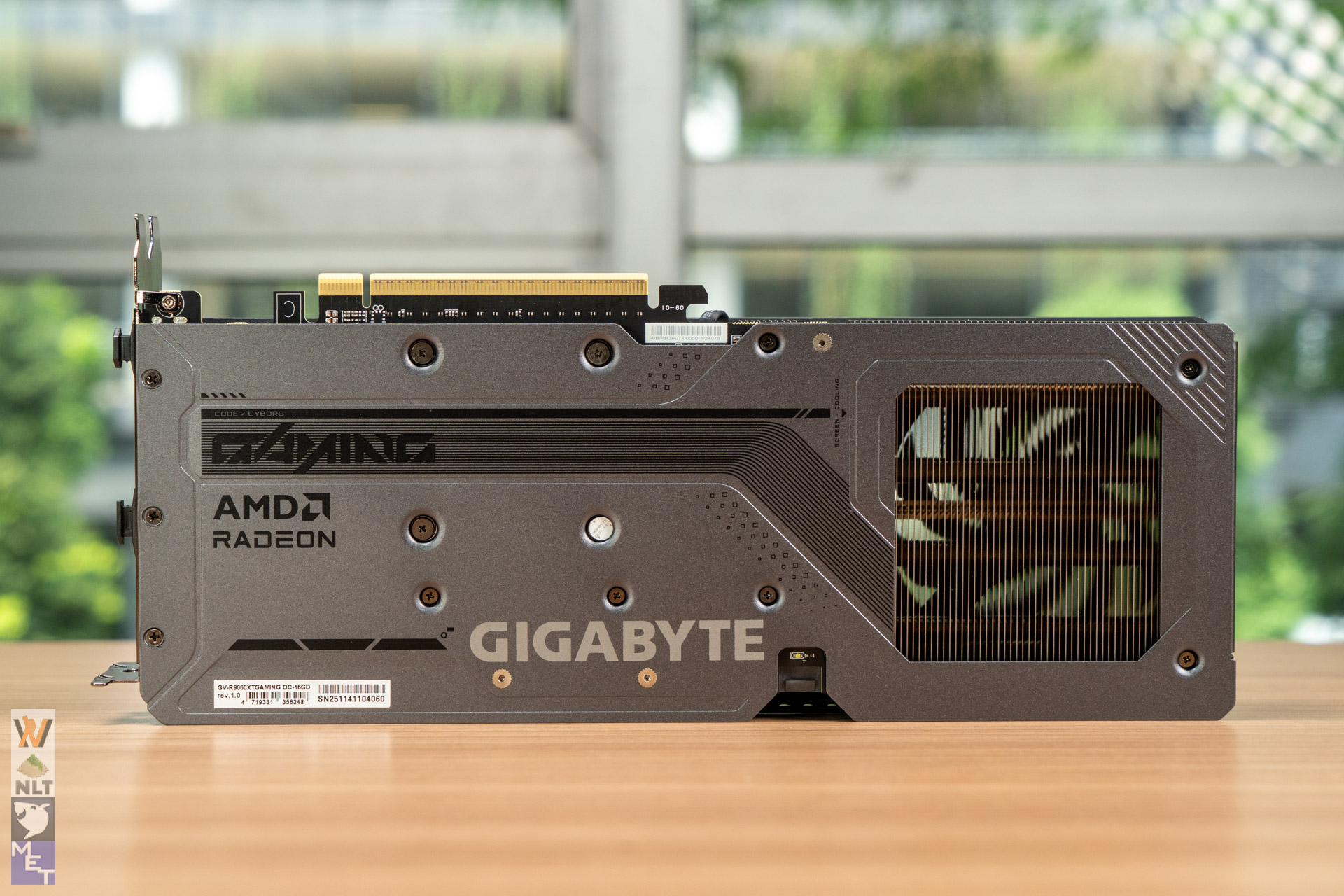
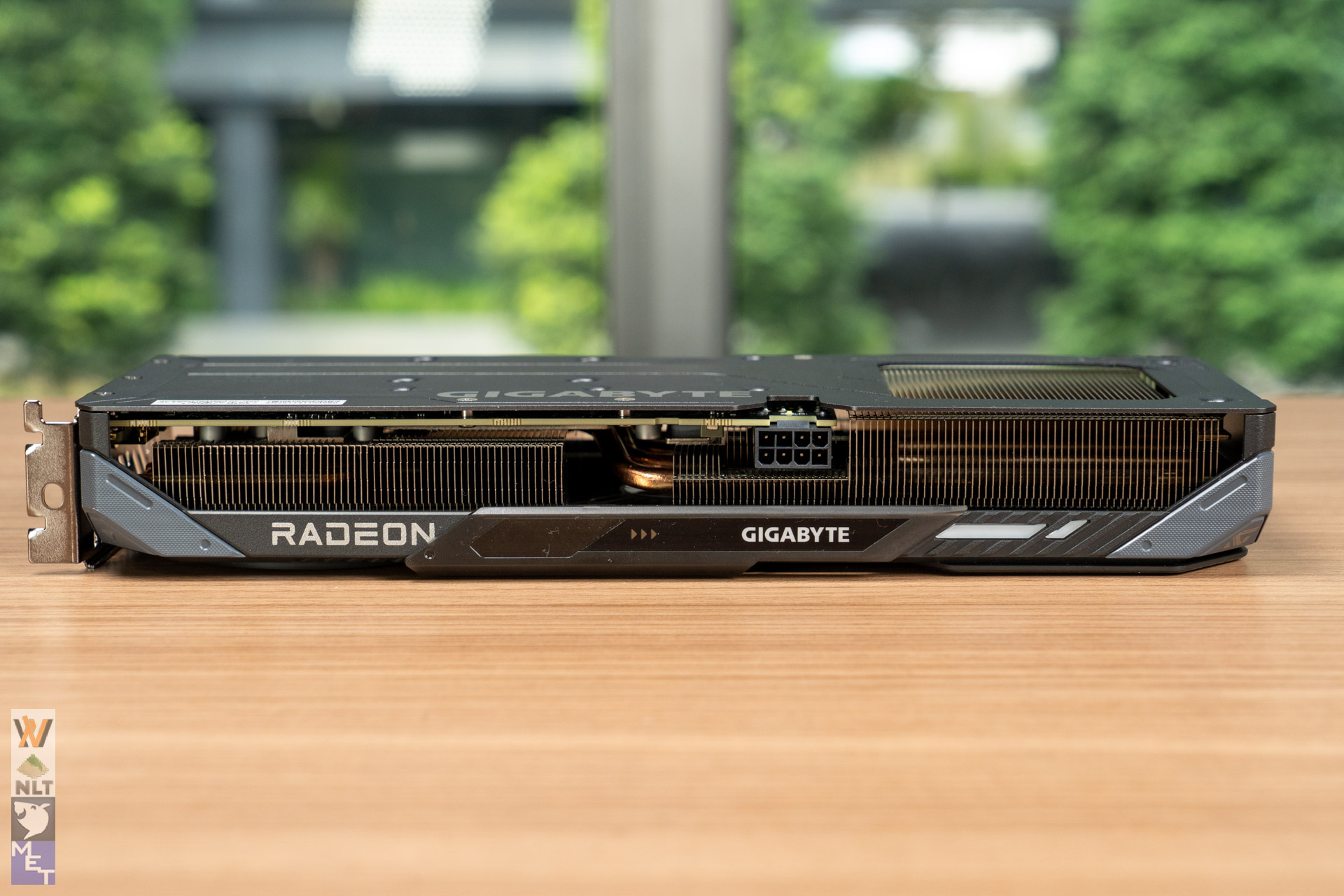
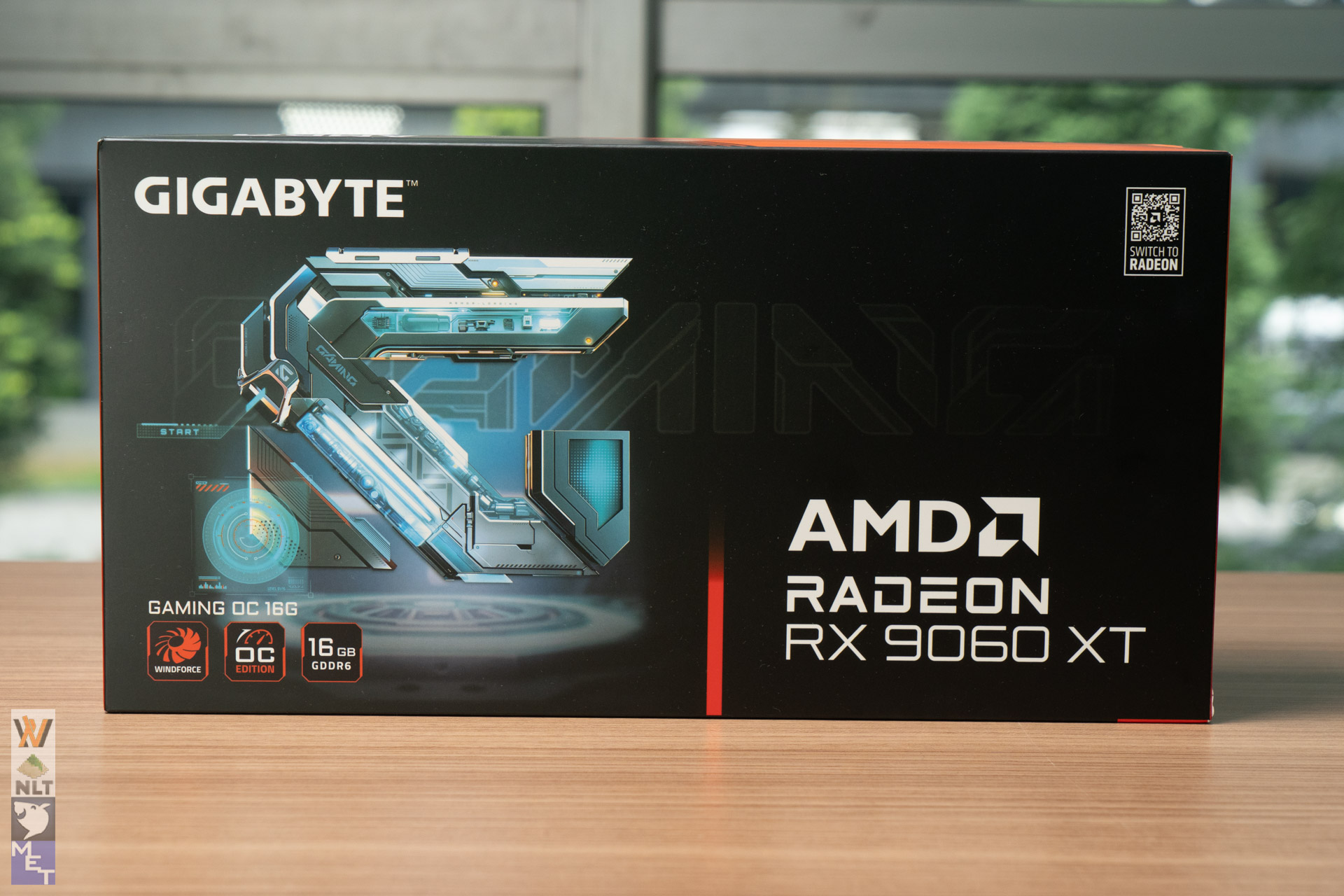
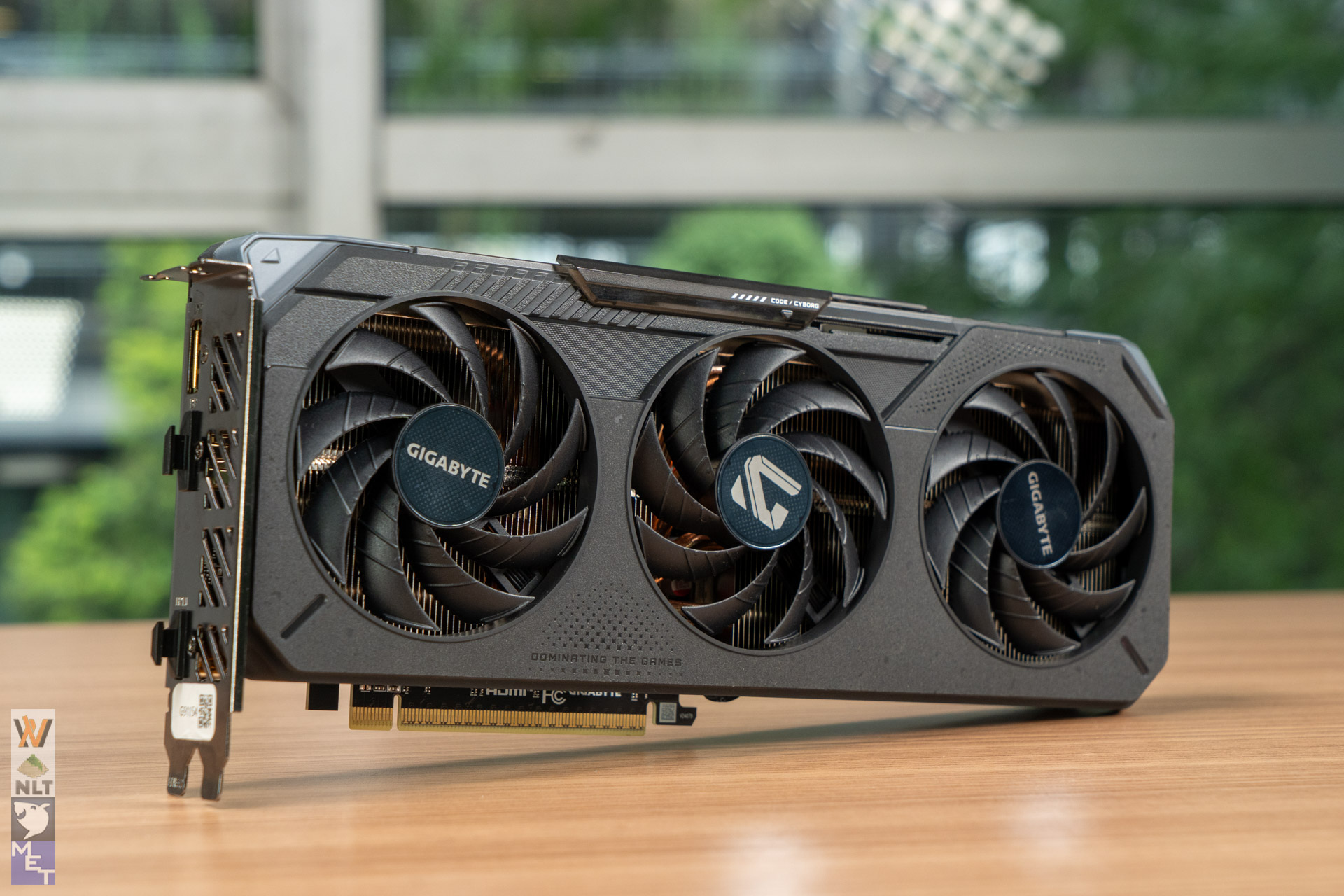
The Gigabyte RX 9060 XT Gaming OC 16G comes with the familiar Windforce triple-fan cooler design that we’ve seen across many of Gigabyte’s cards. It’s simple, practical, and does the job without going overboard on flashy RGB. The card itself isn’t overly bulky either, so it will fit into most builds without much trouble. The metal backplate adds some durability, which is always a nice touch.
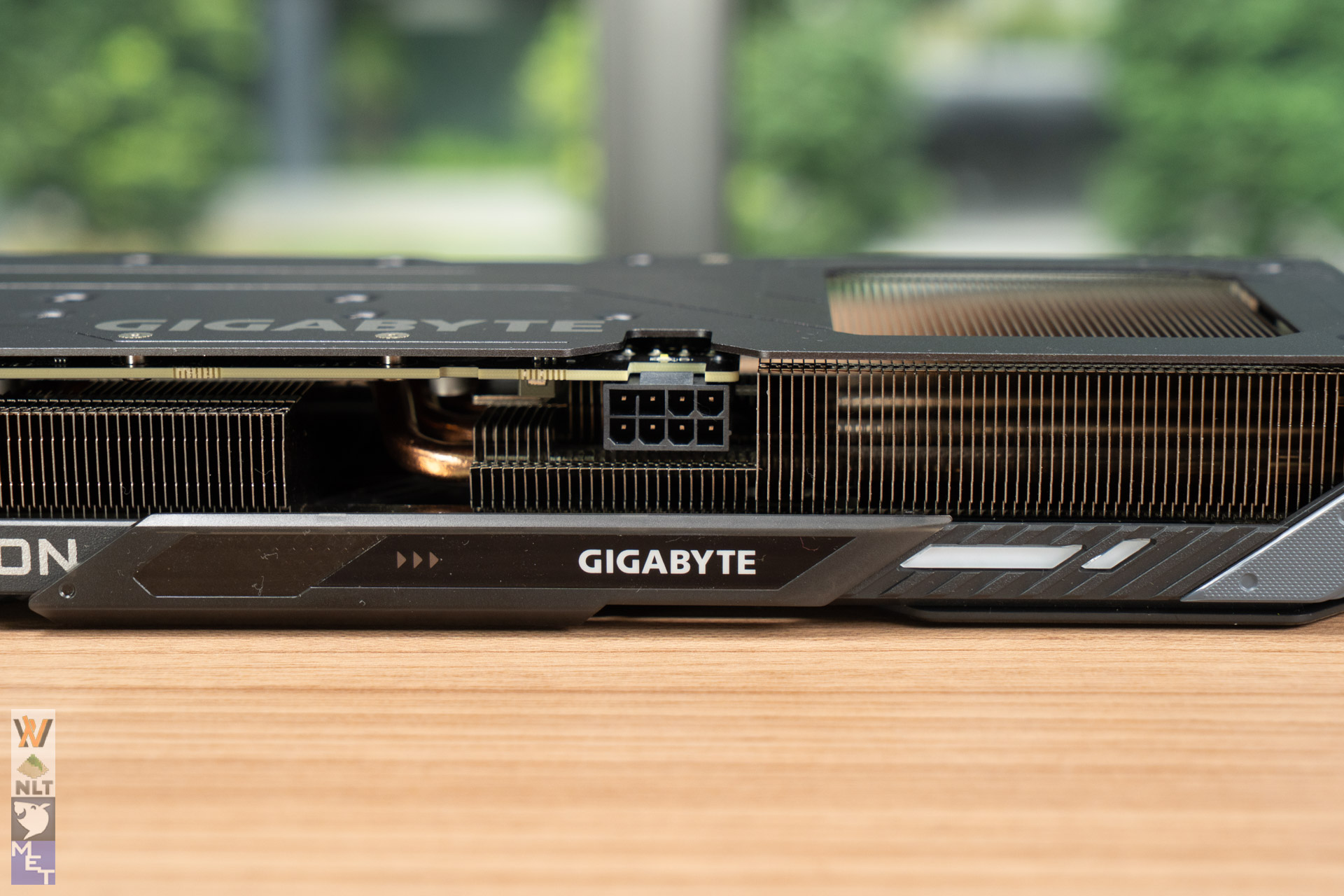
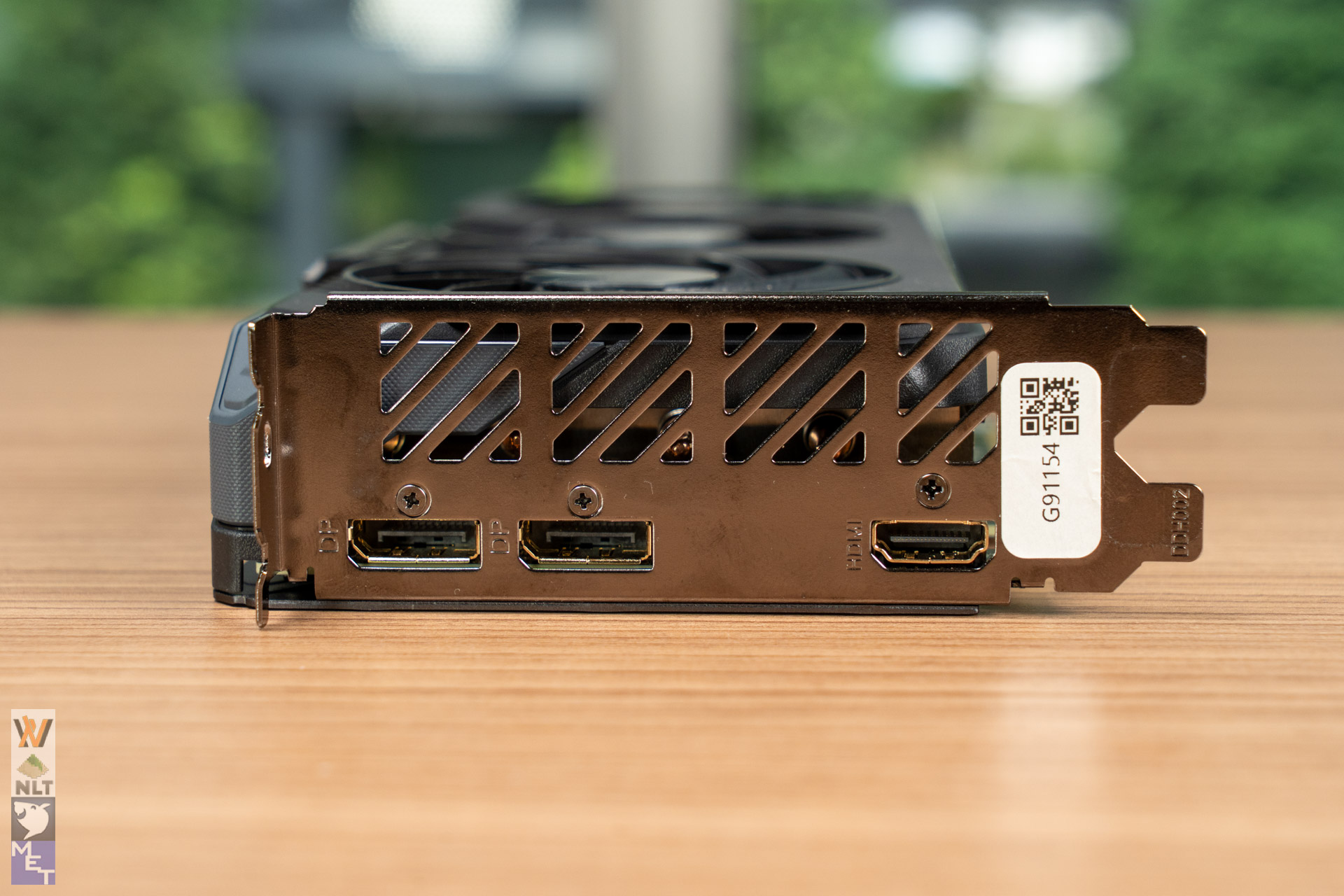
It’s powered by a single PCIe 8-pin connector and Gigabyte recommends at least a 450W power supply for this card. As for the display output, unlike what we normally see, you’ll get two DisplayPort instead of three, and a single HDMI.
Performance in Games – Raster
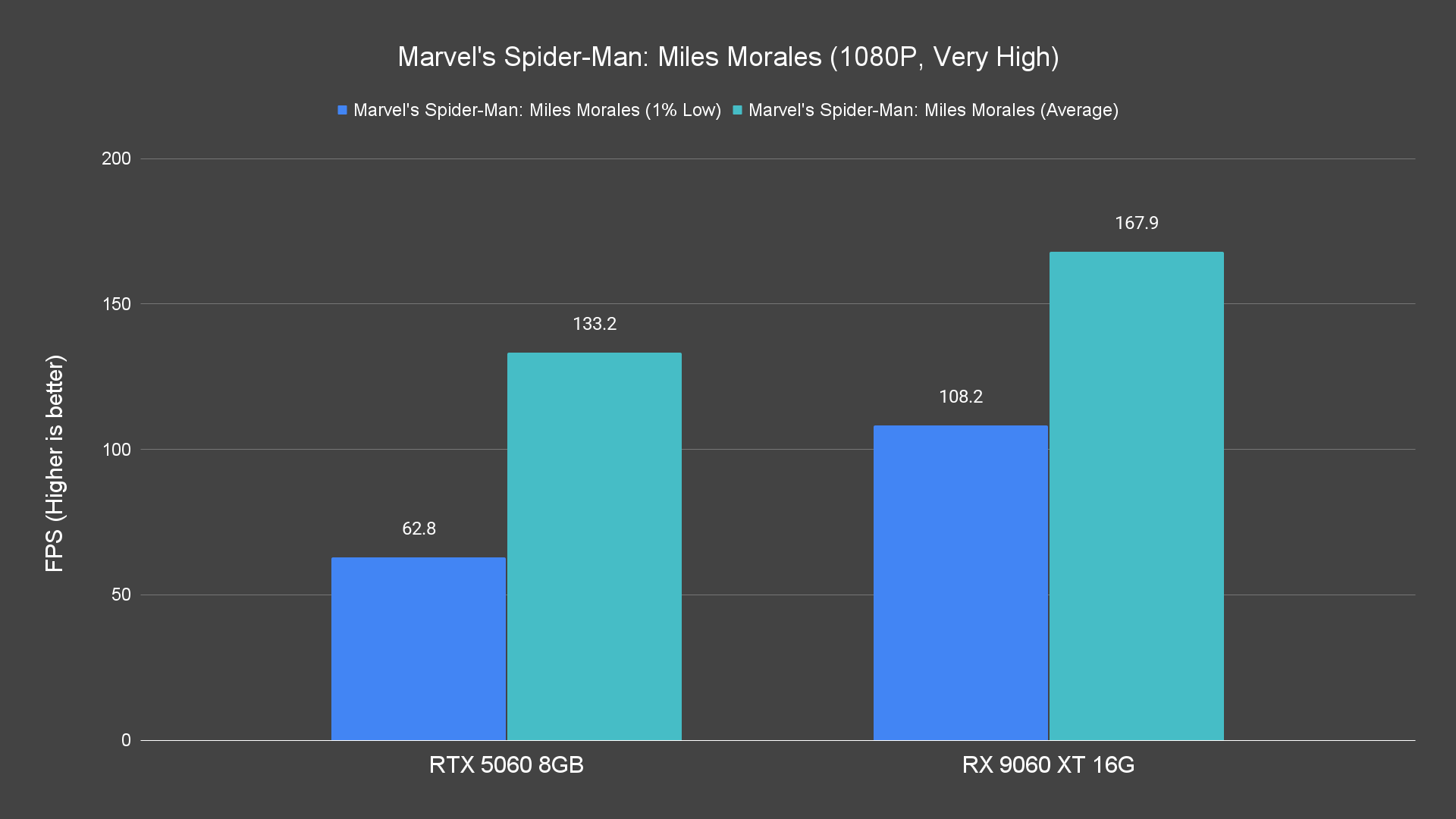
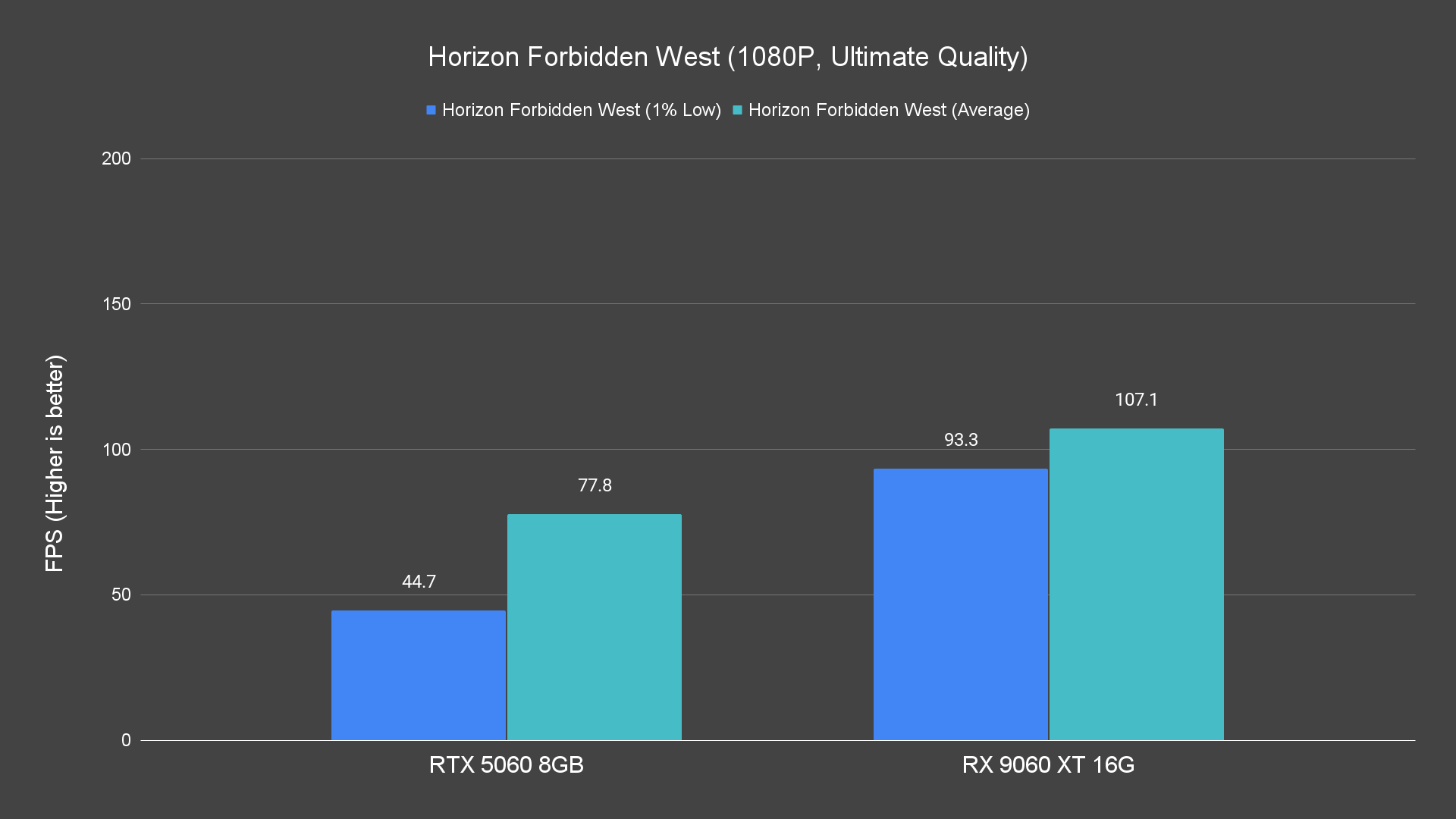
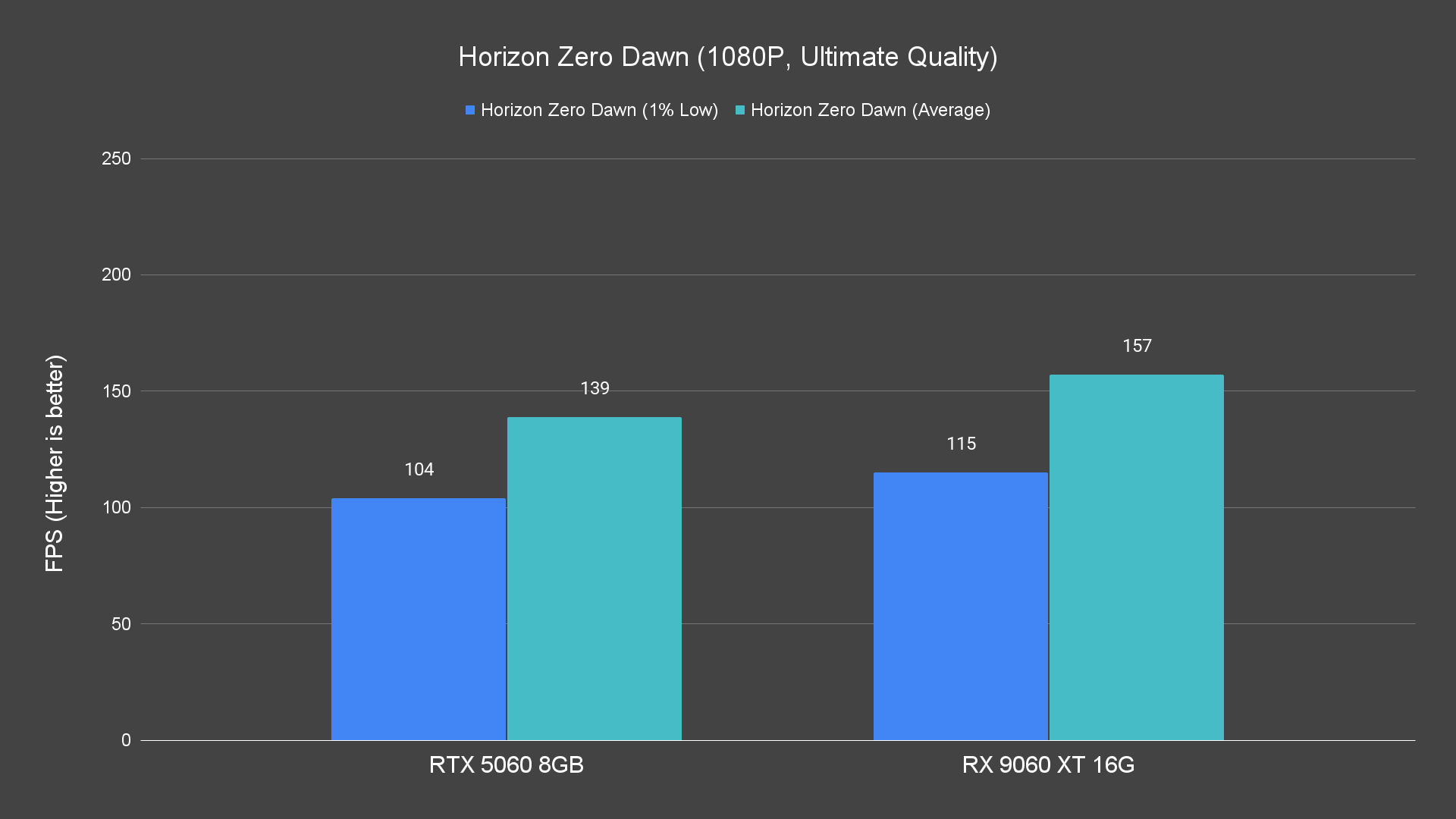
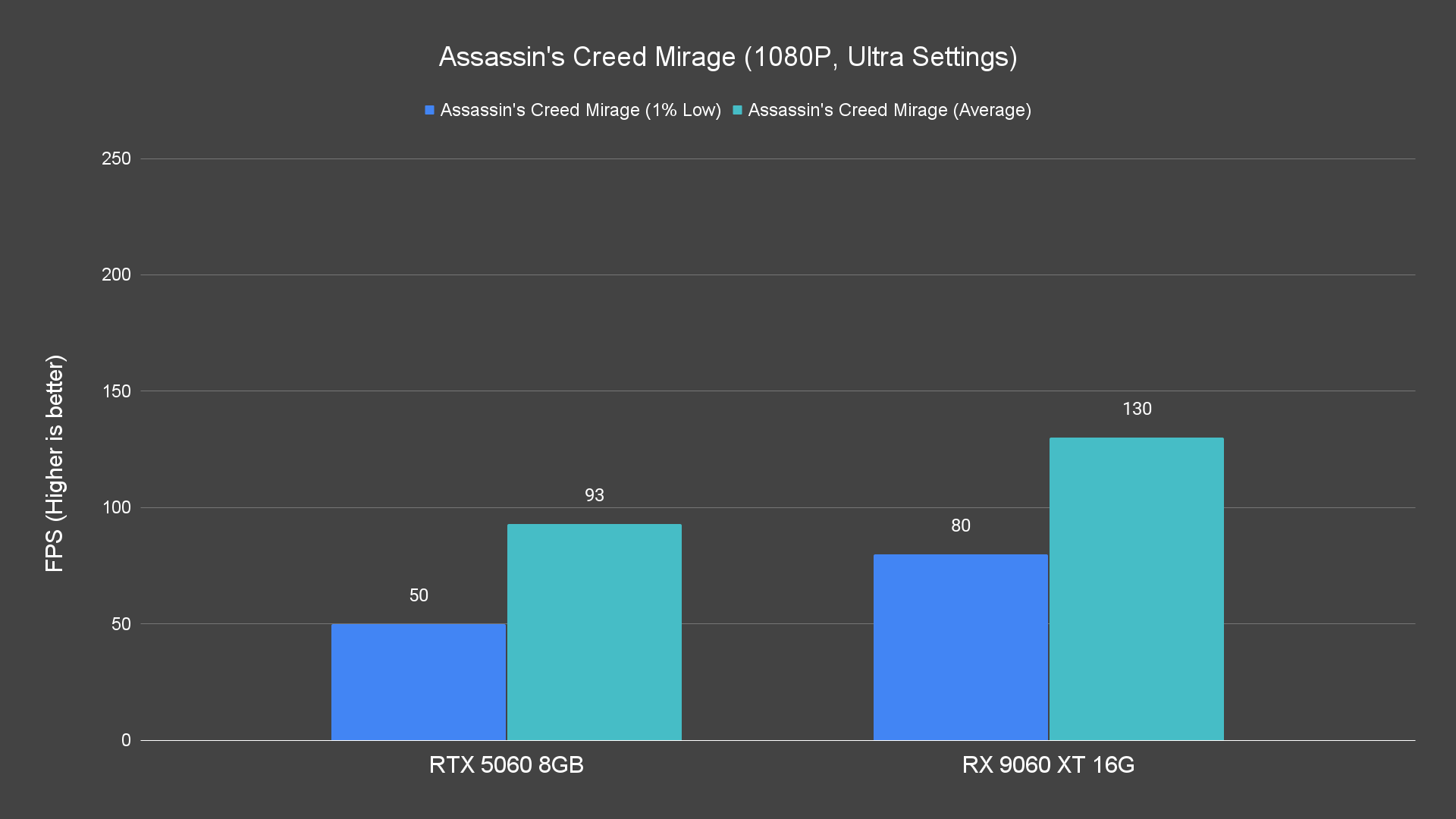
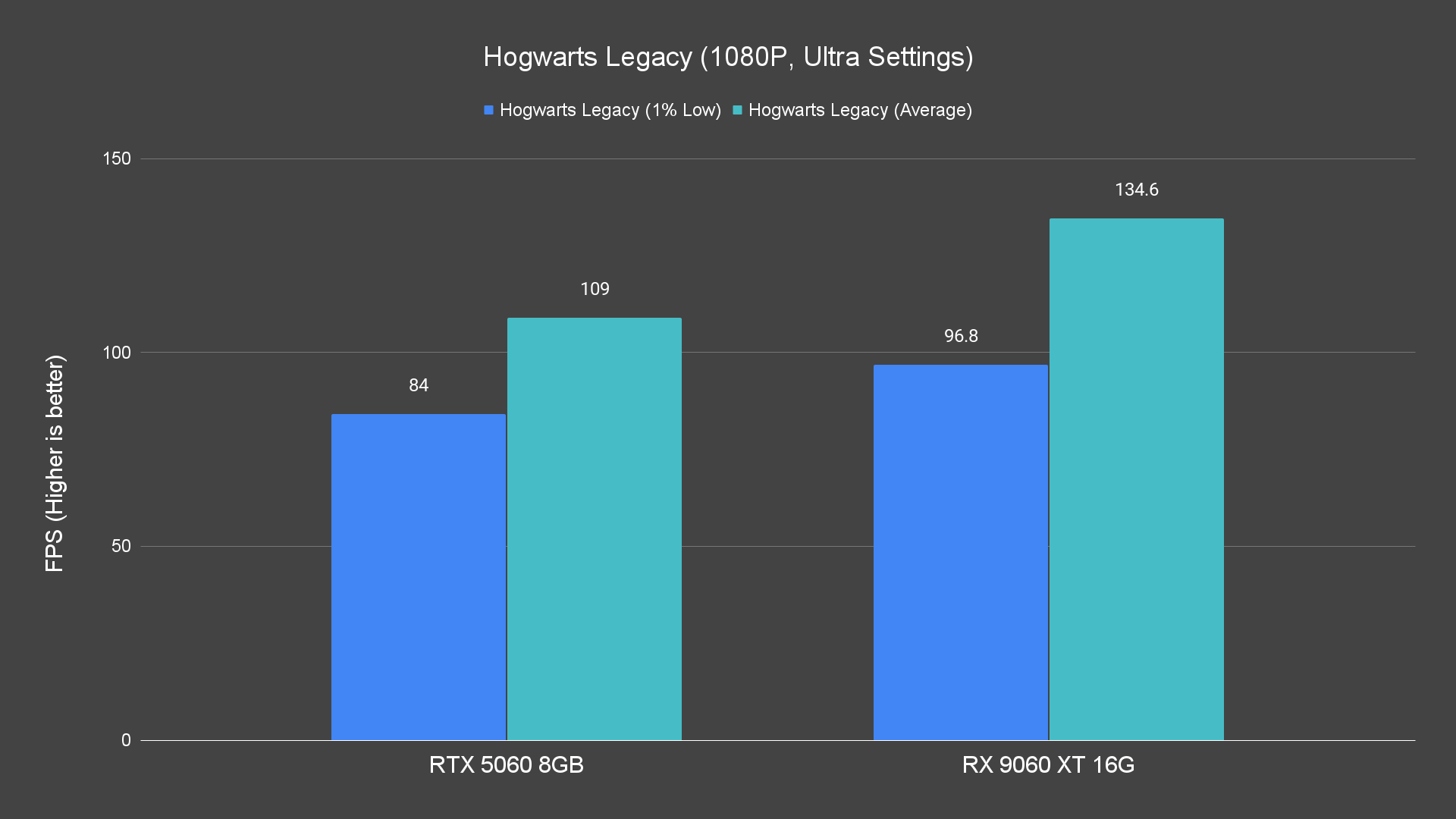
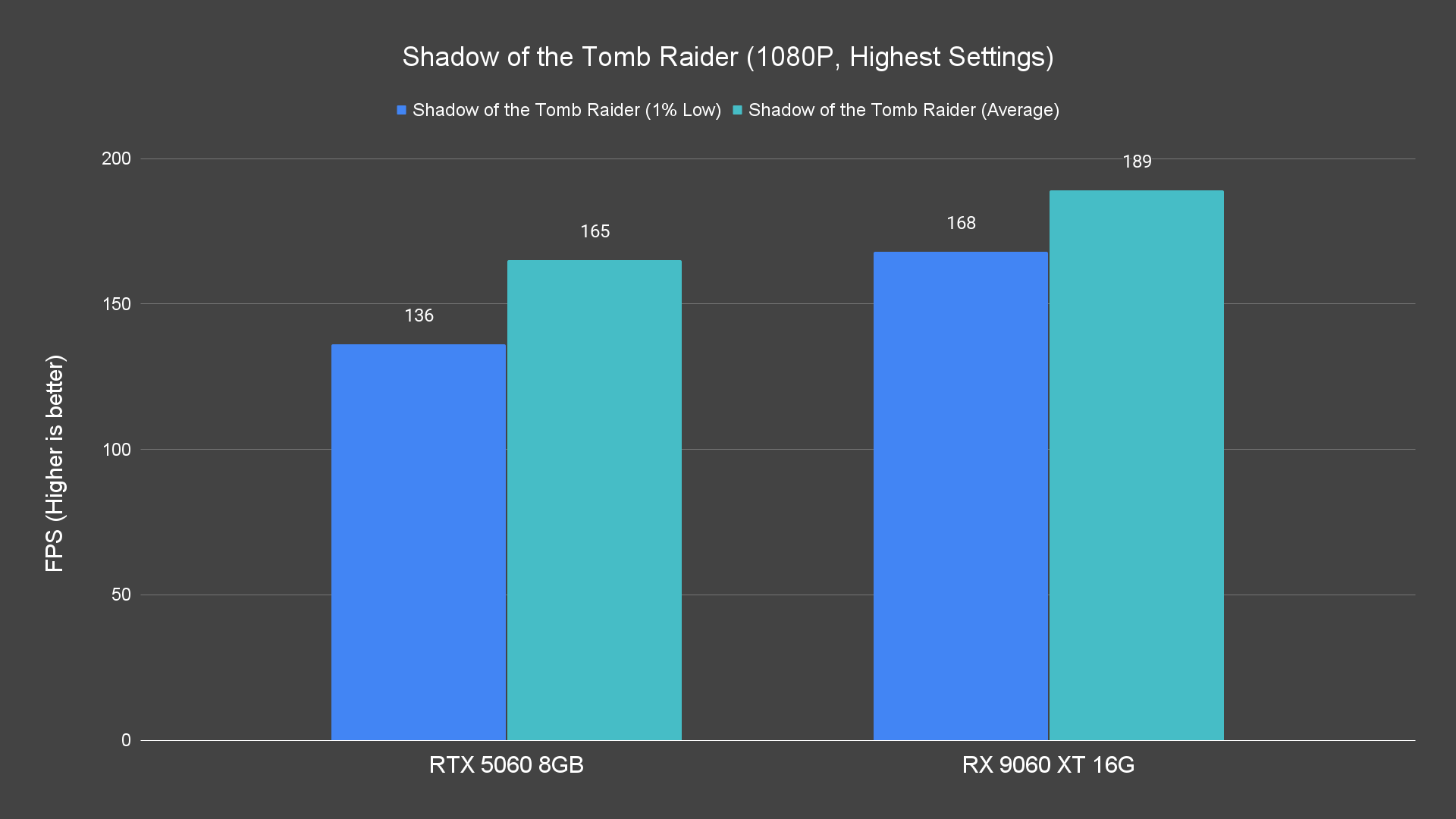
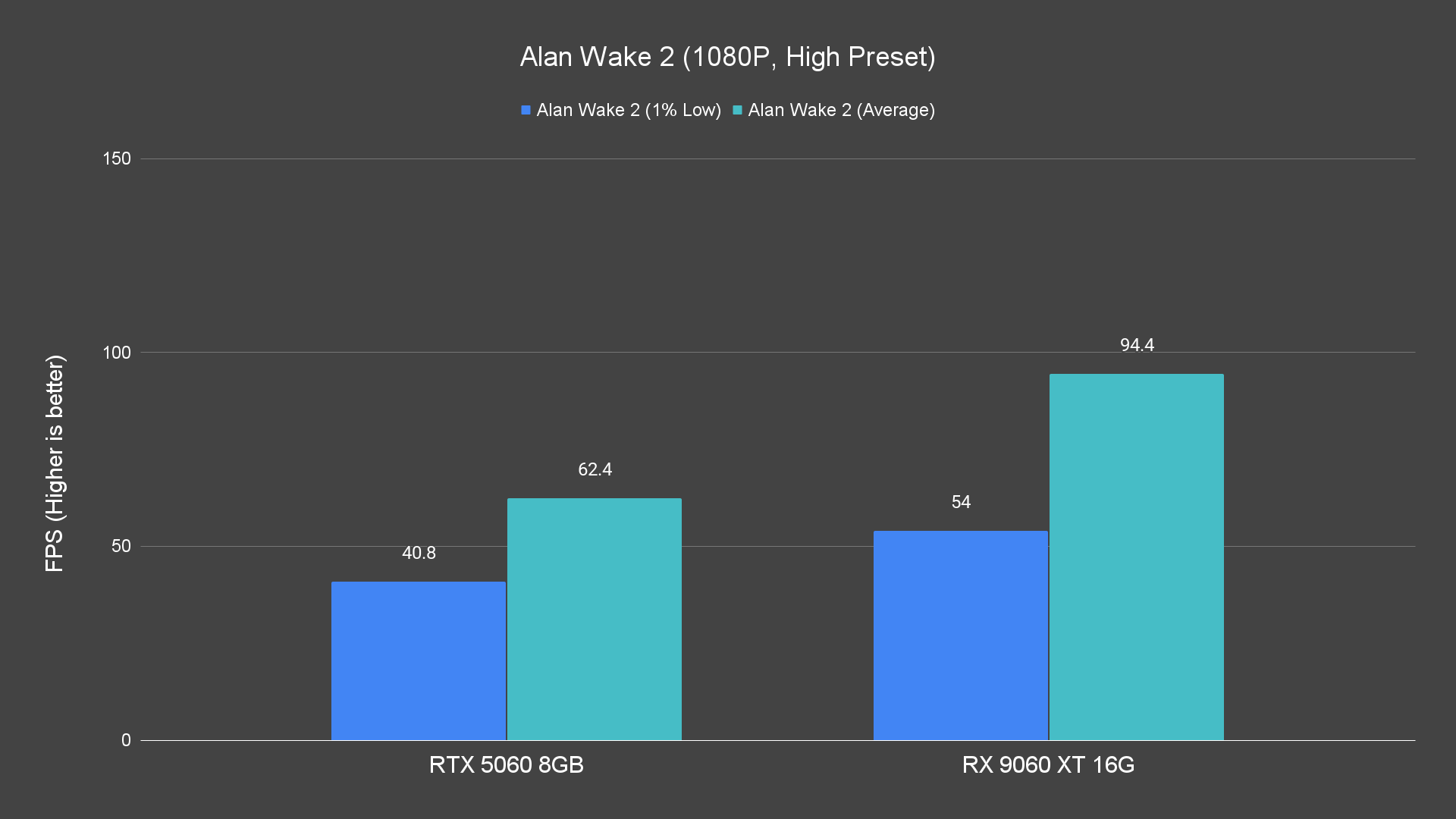
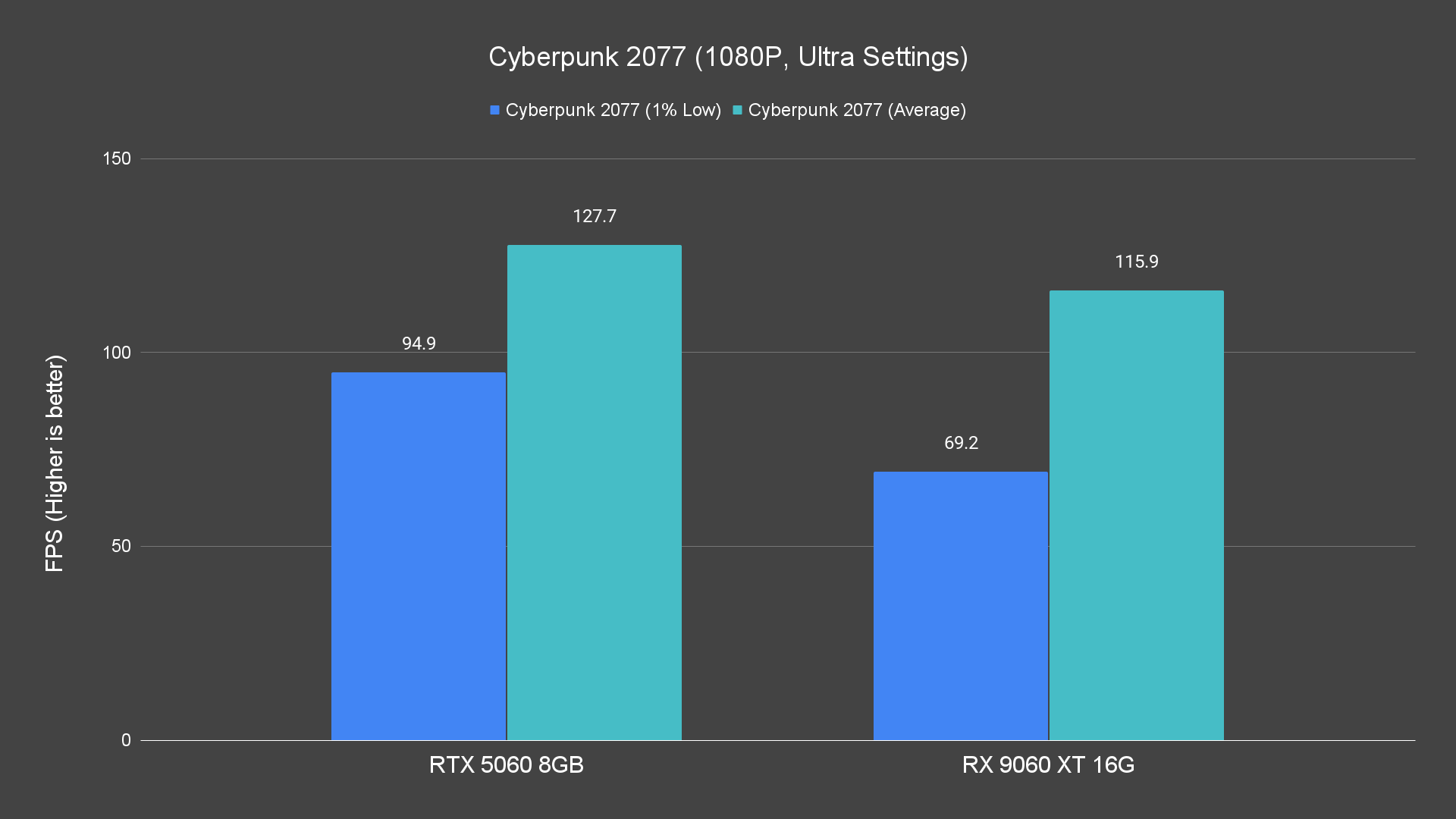
AMD positions the RX 9060 XT as a solid 1080p and 1440p gaming card, and from what we’ve tested, that holds true. At 1080p, you can comfortably max out most titles and still get very smooth frame rates.
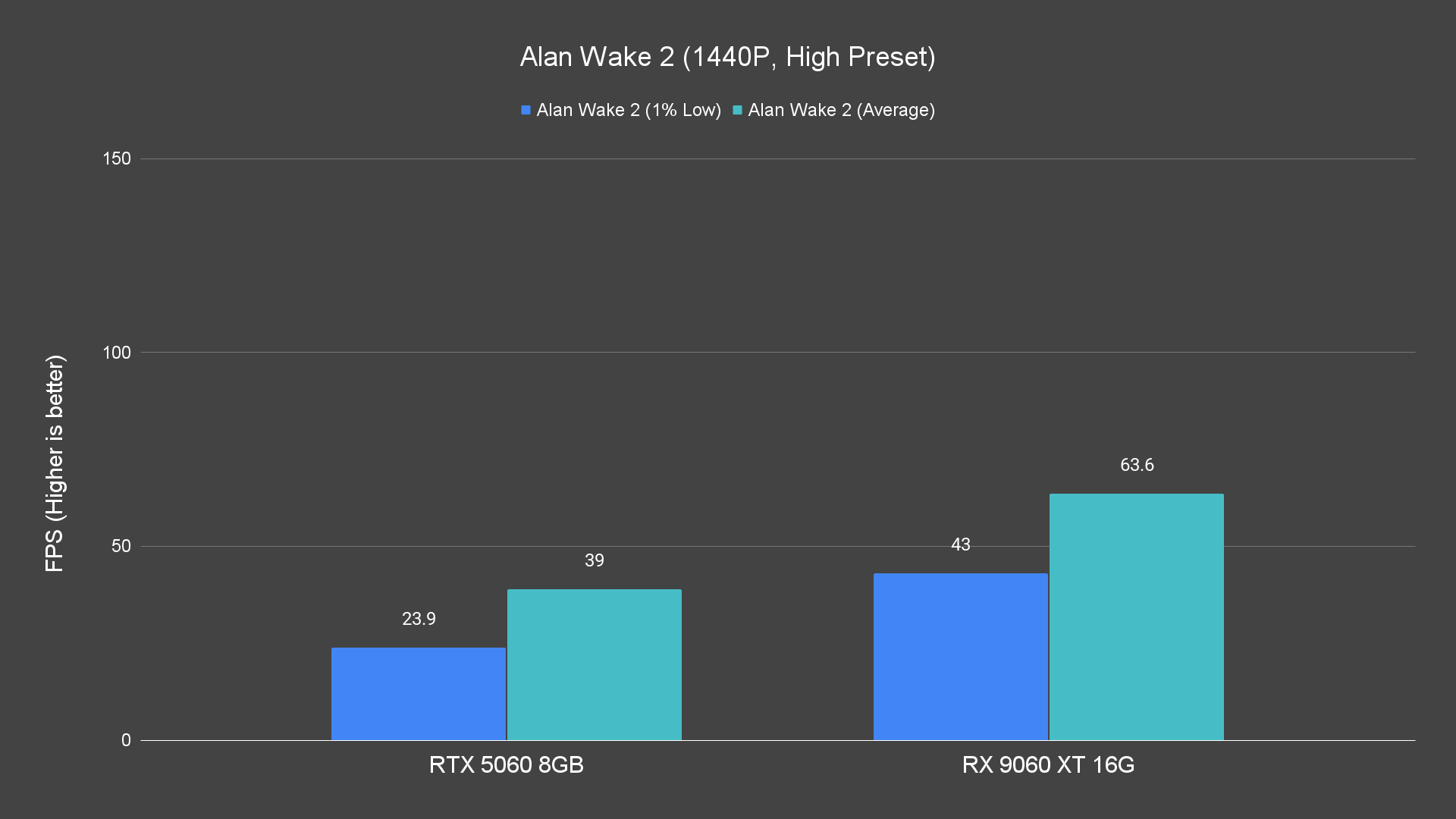
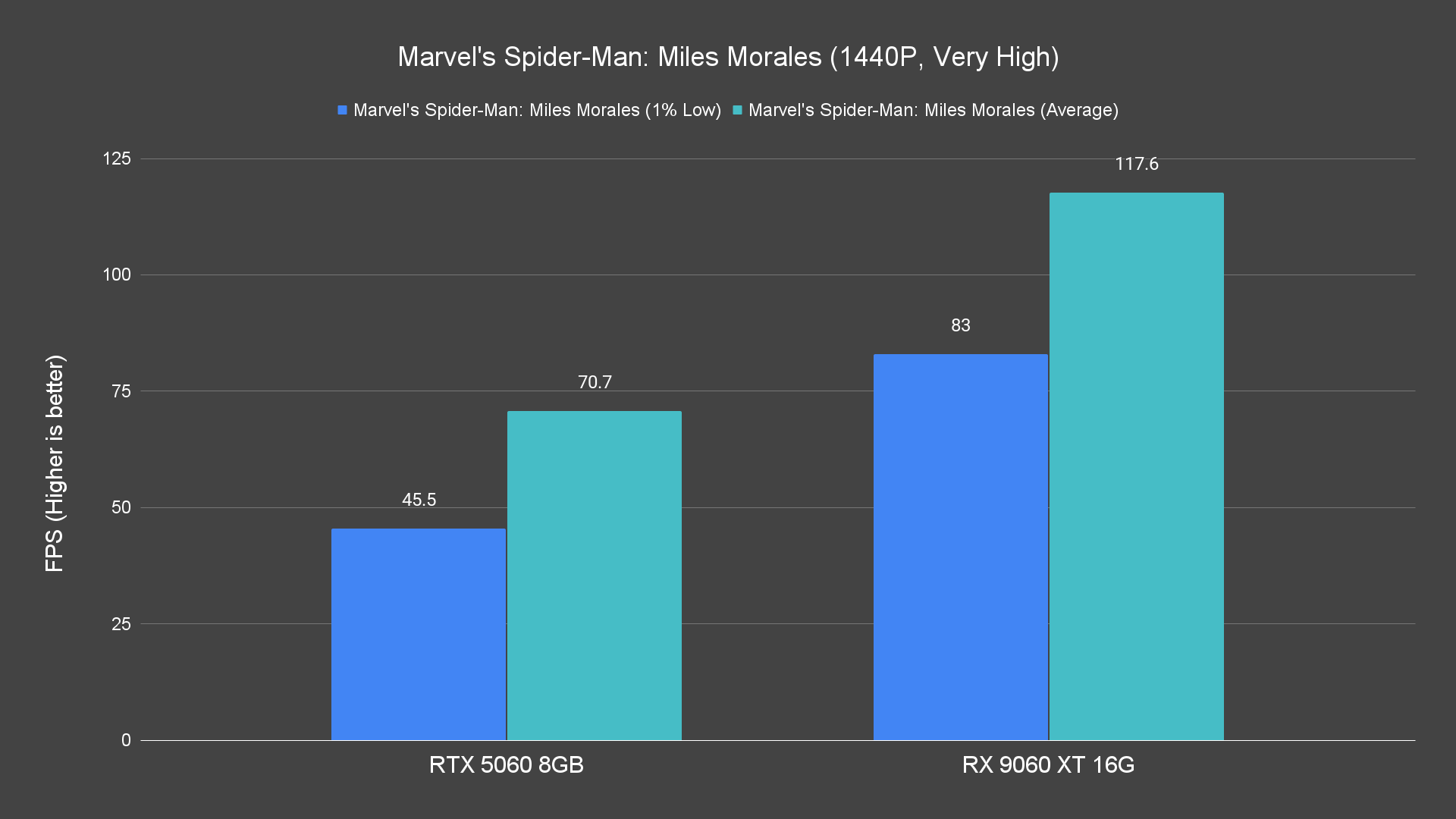
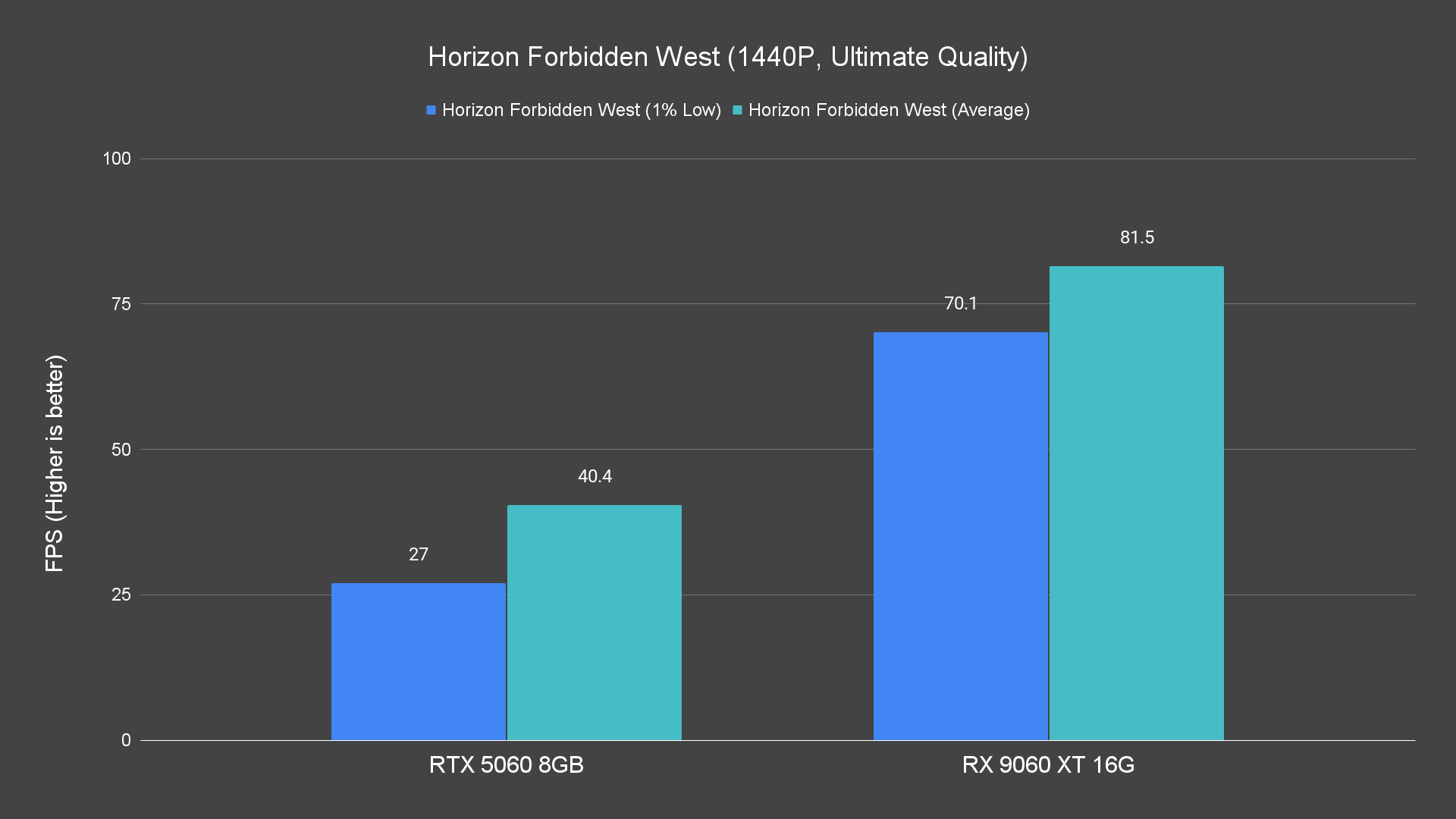
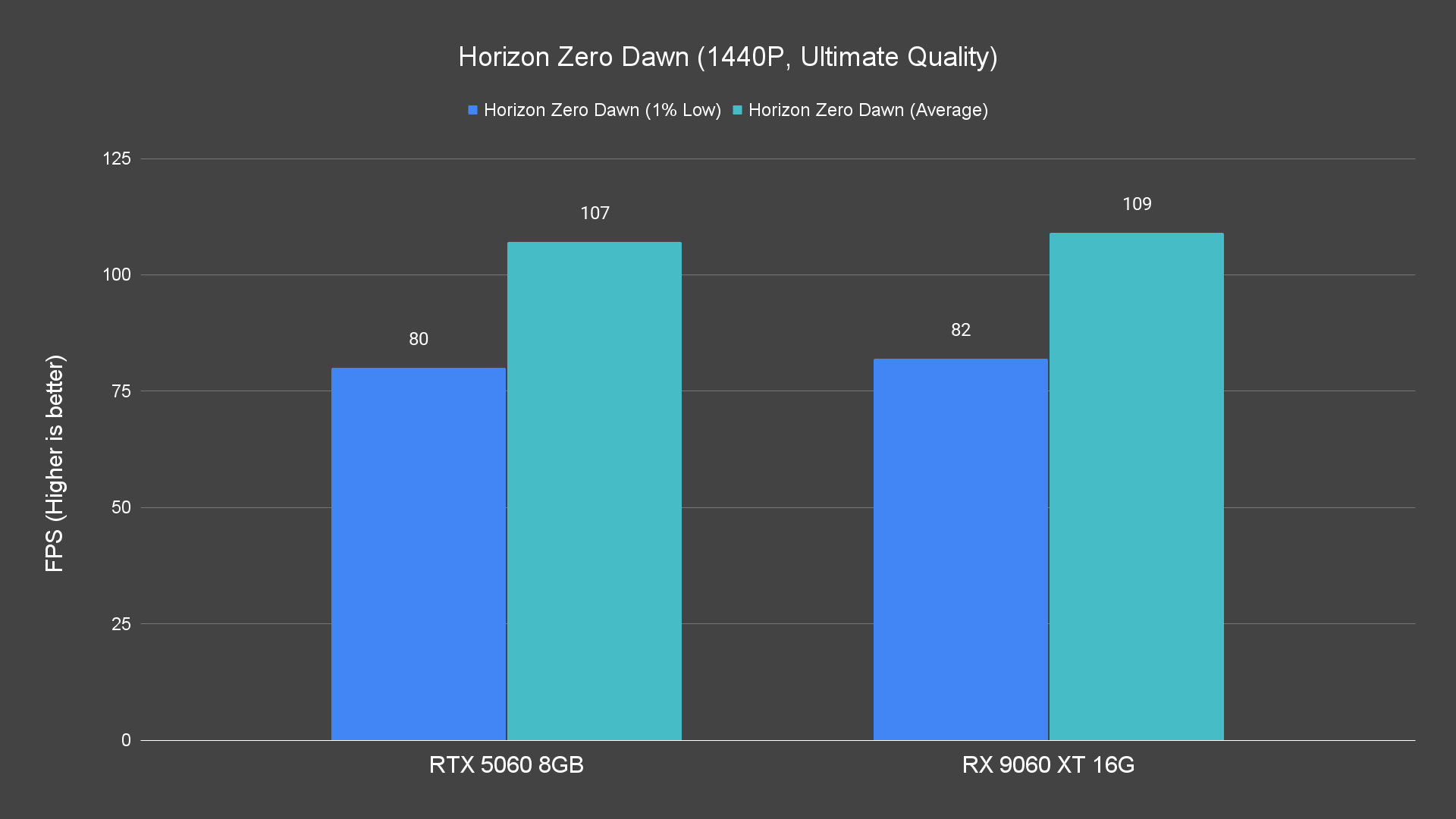
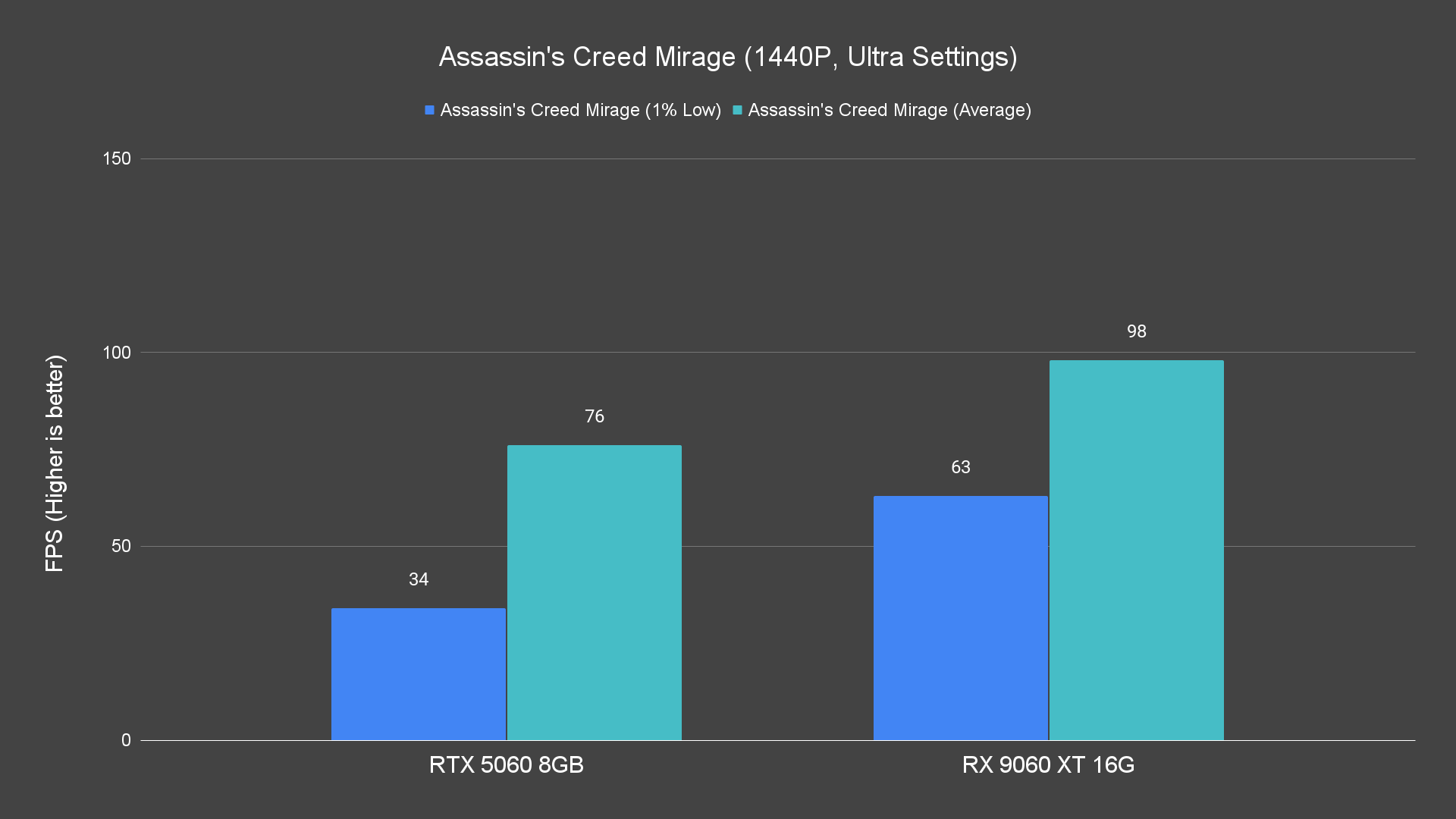
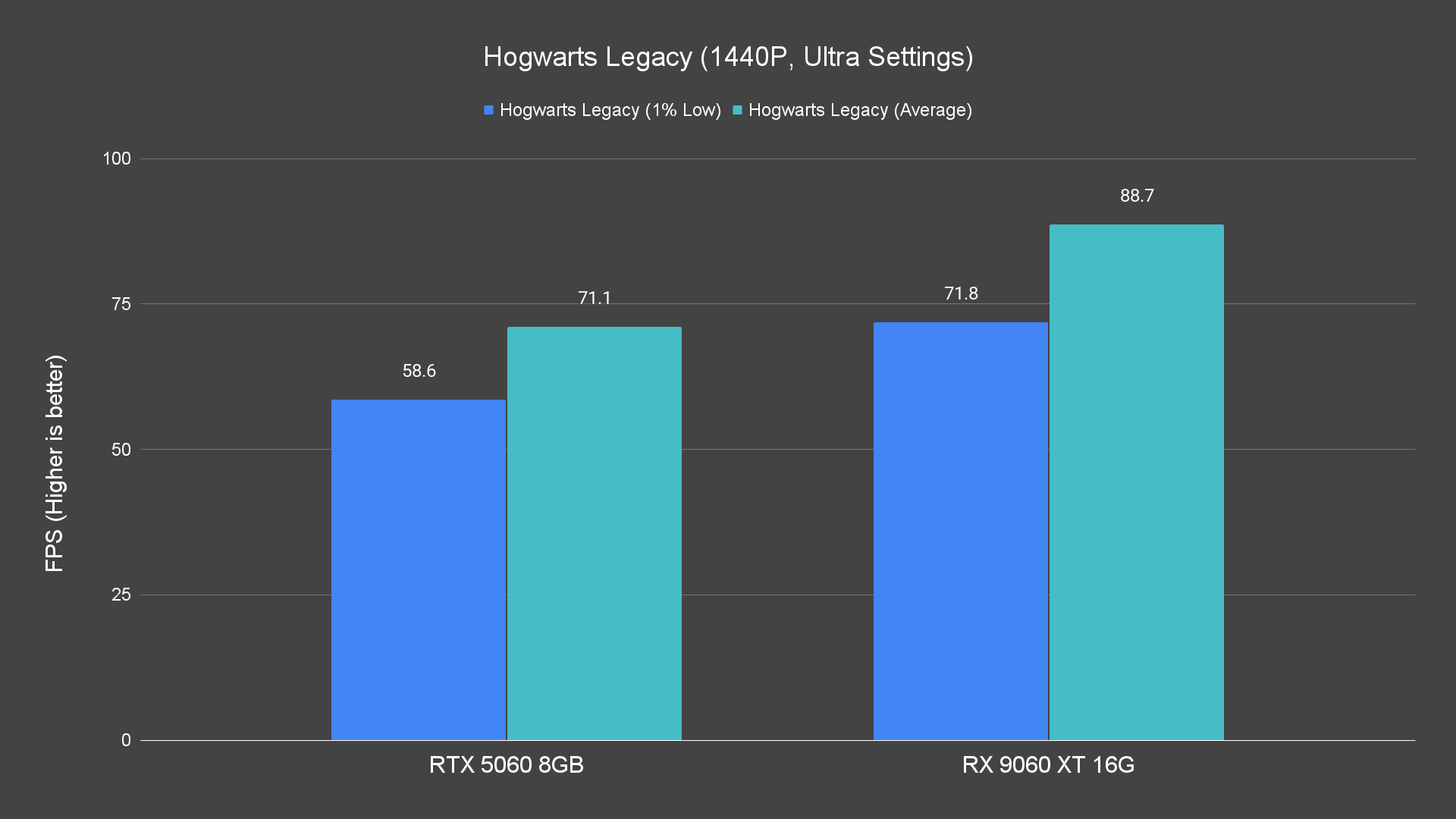
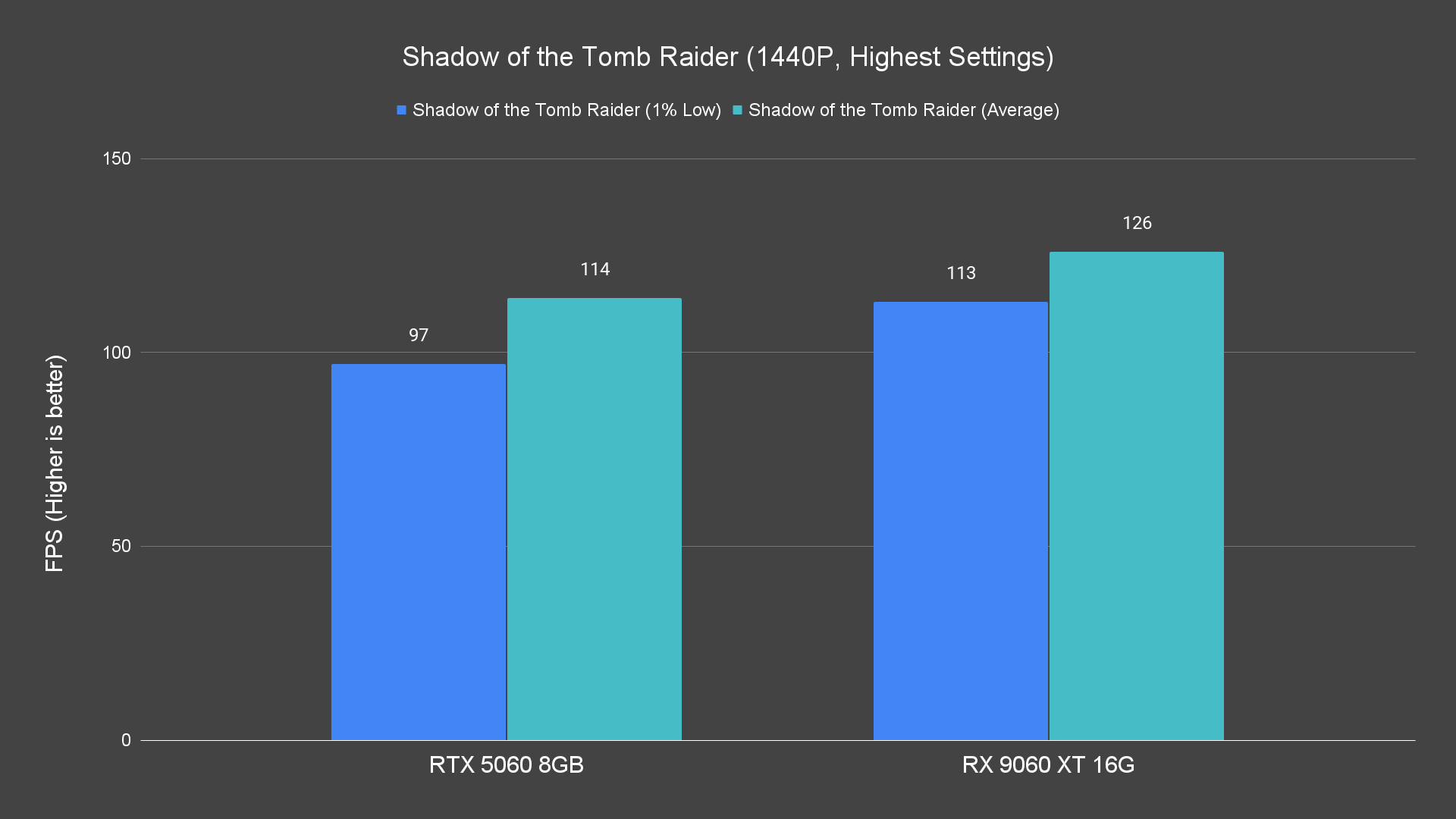
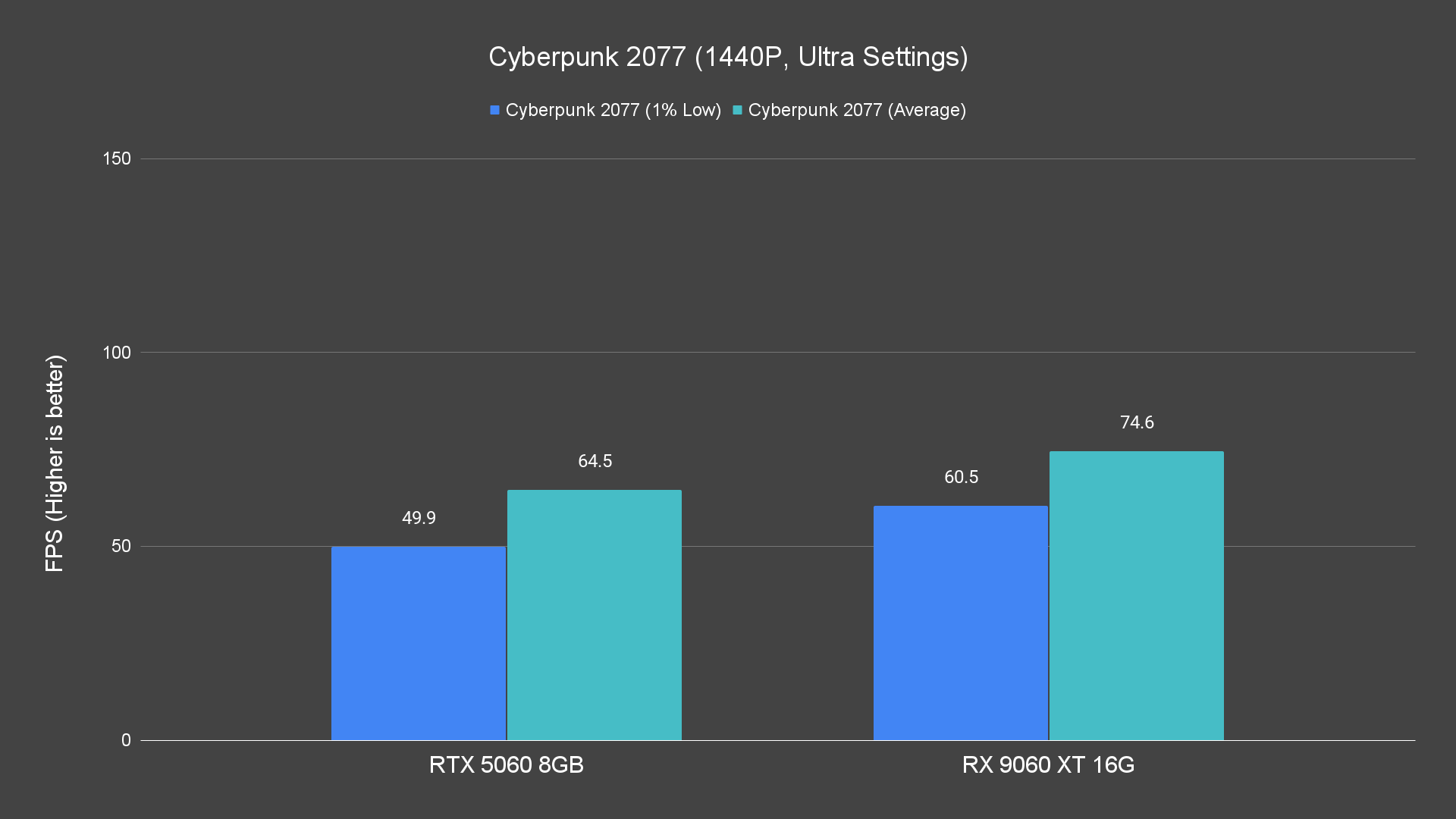
At 1440p, the performance remains impressive, with most of the games easily running above 60fps. Compared to the older RX 7600 XT, this card offers a clear step up, and in rasterized performance, it goes head-to-head with Nvidia’s RTX 5060.
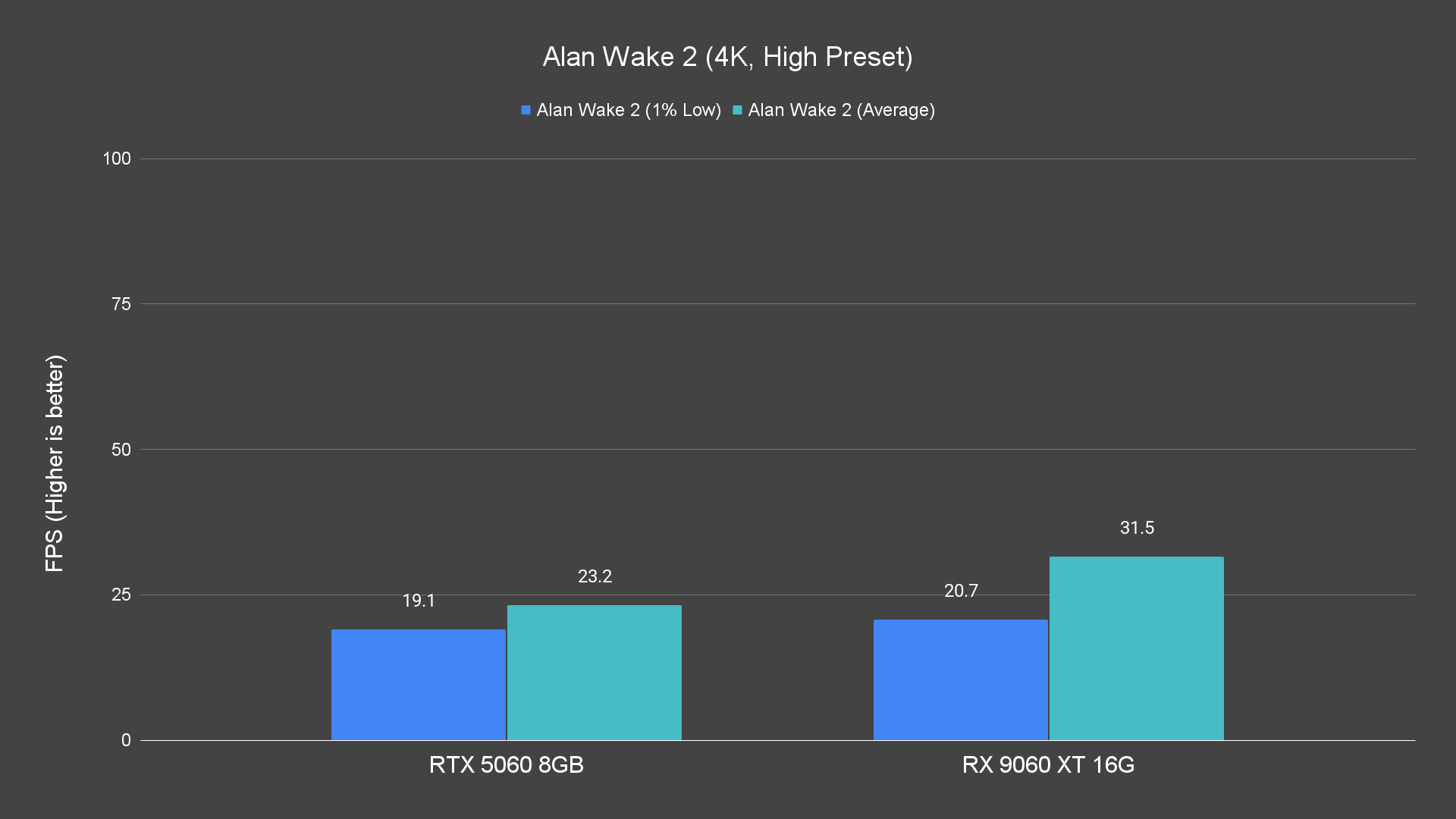
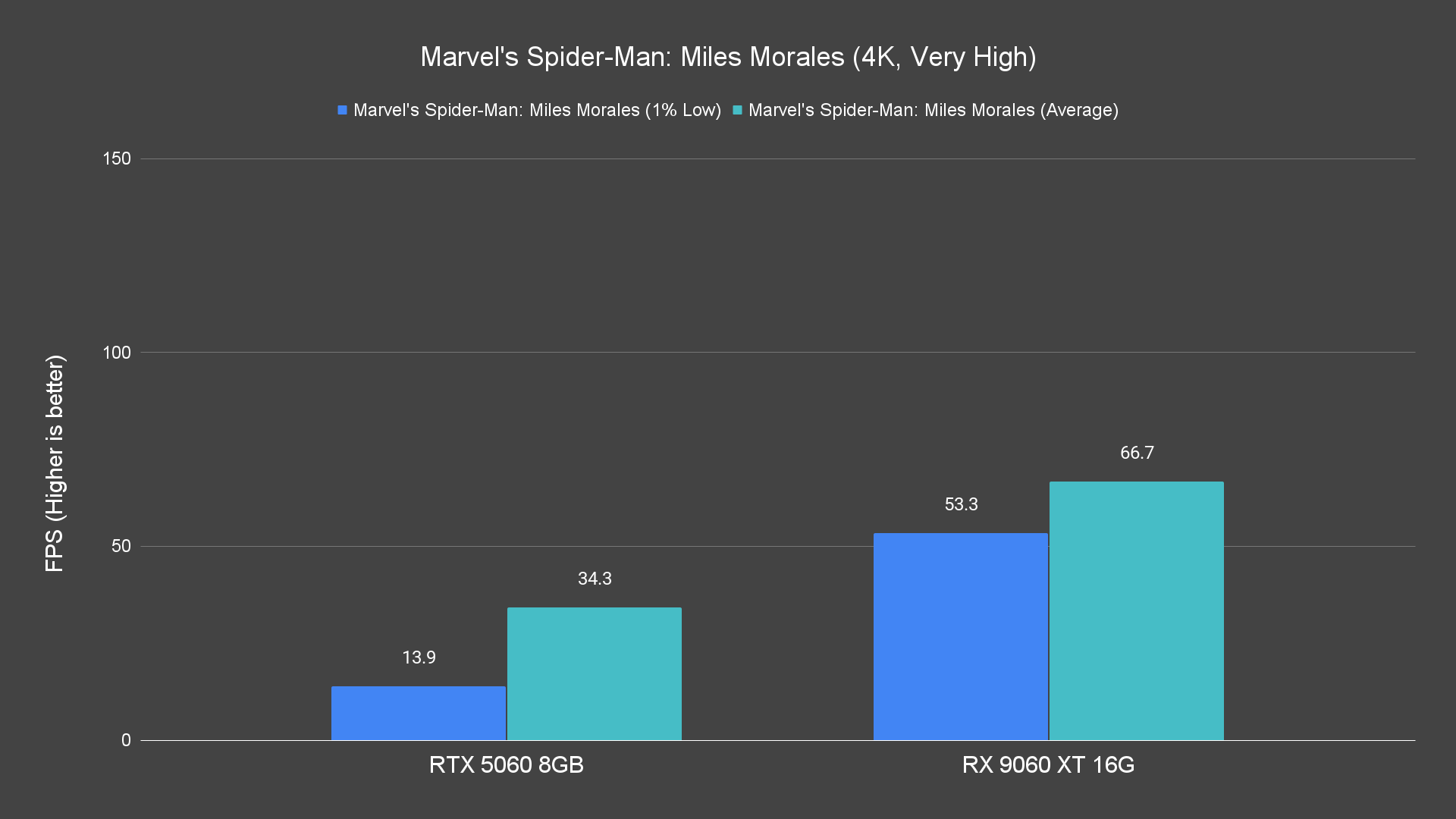
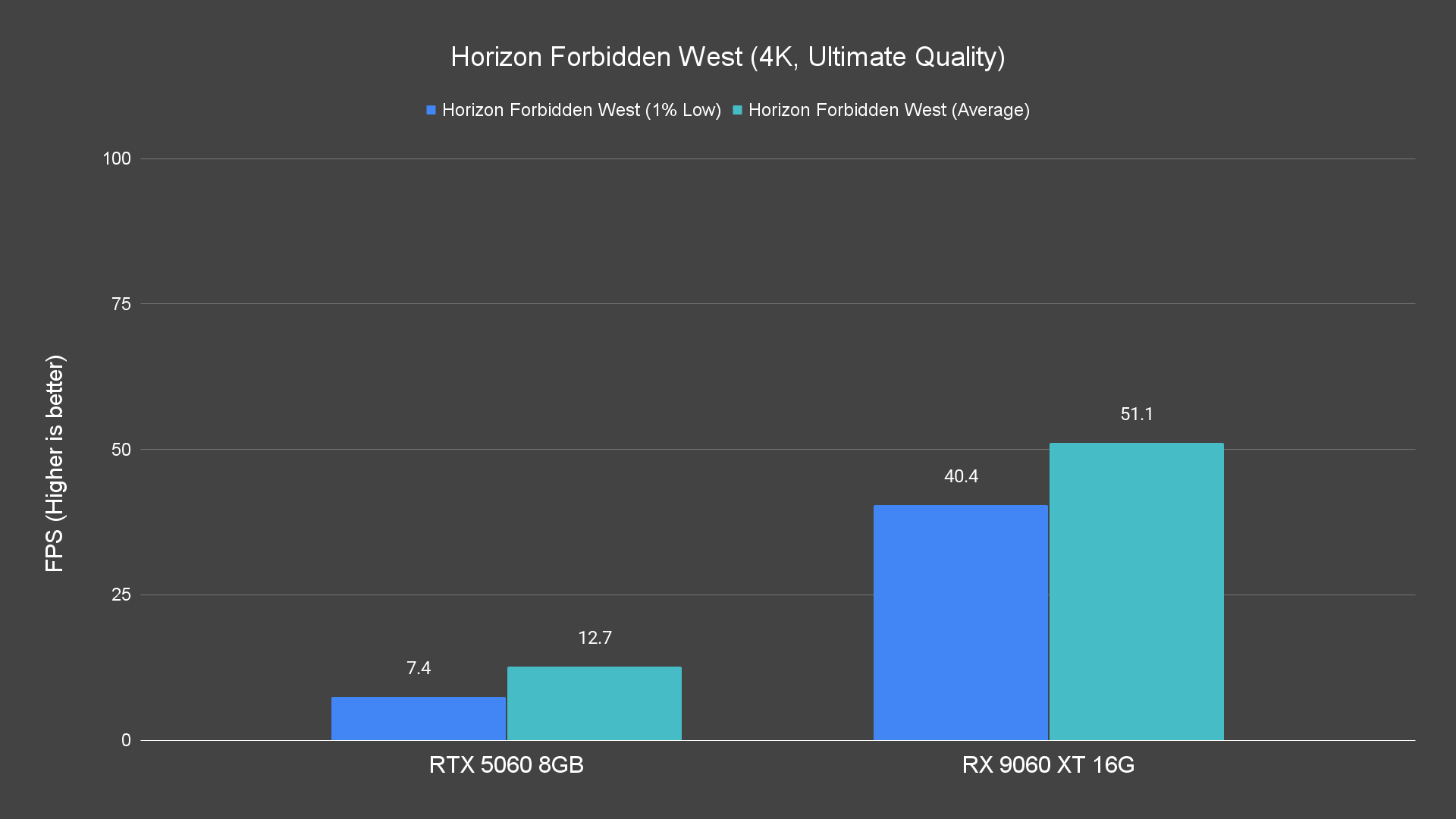
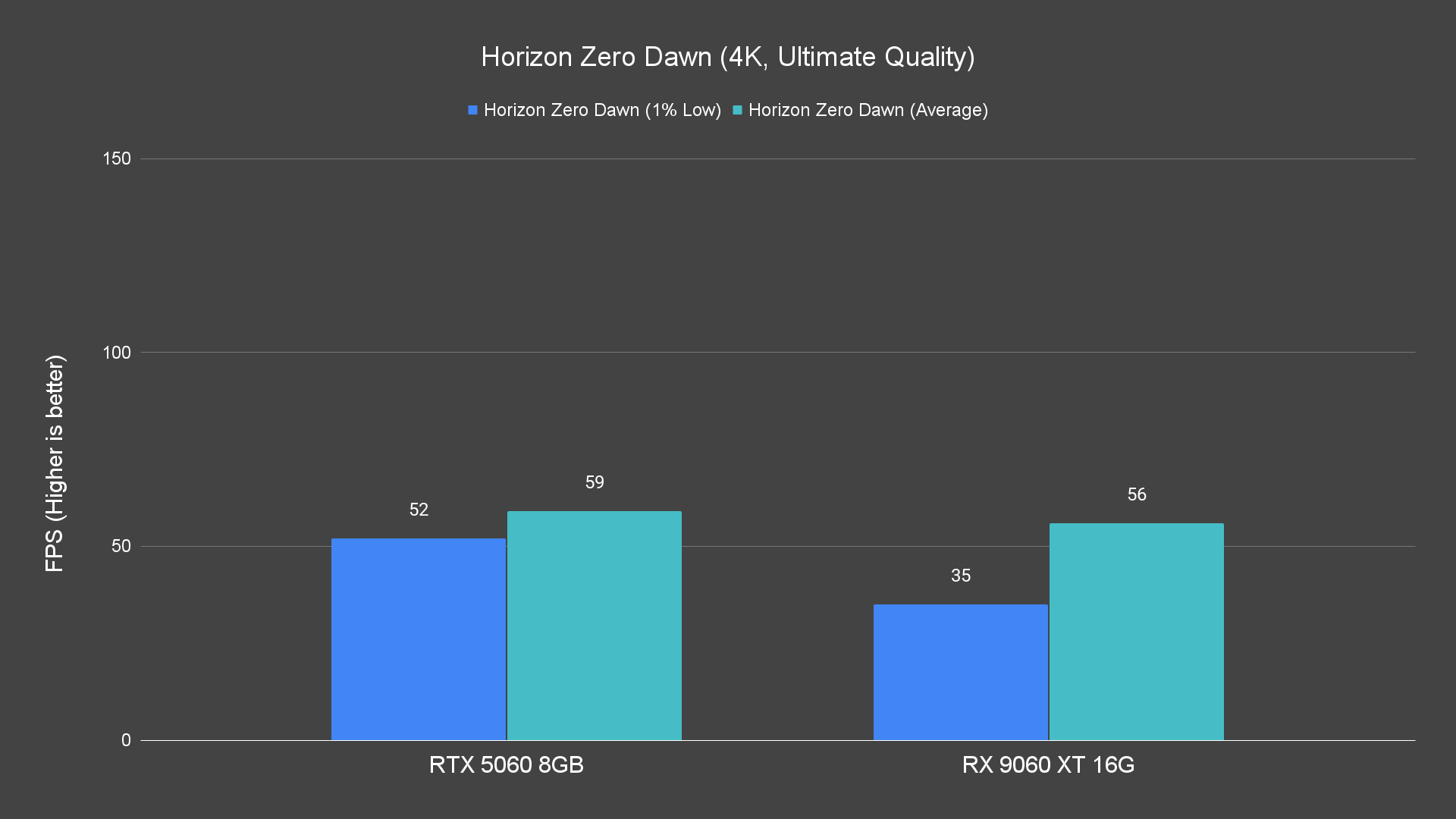
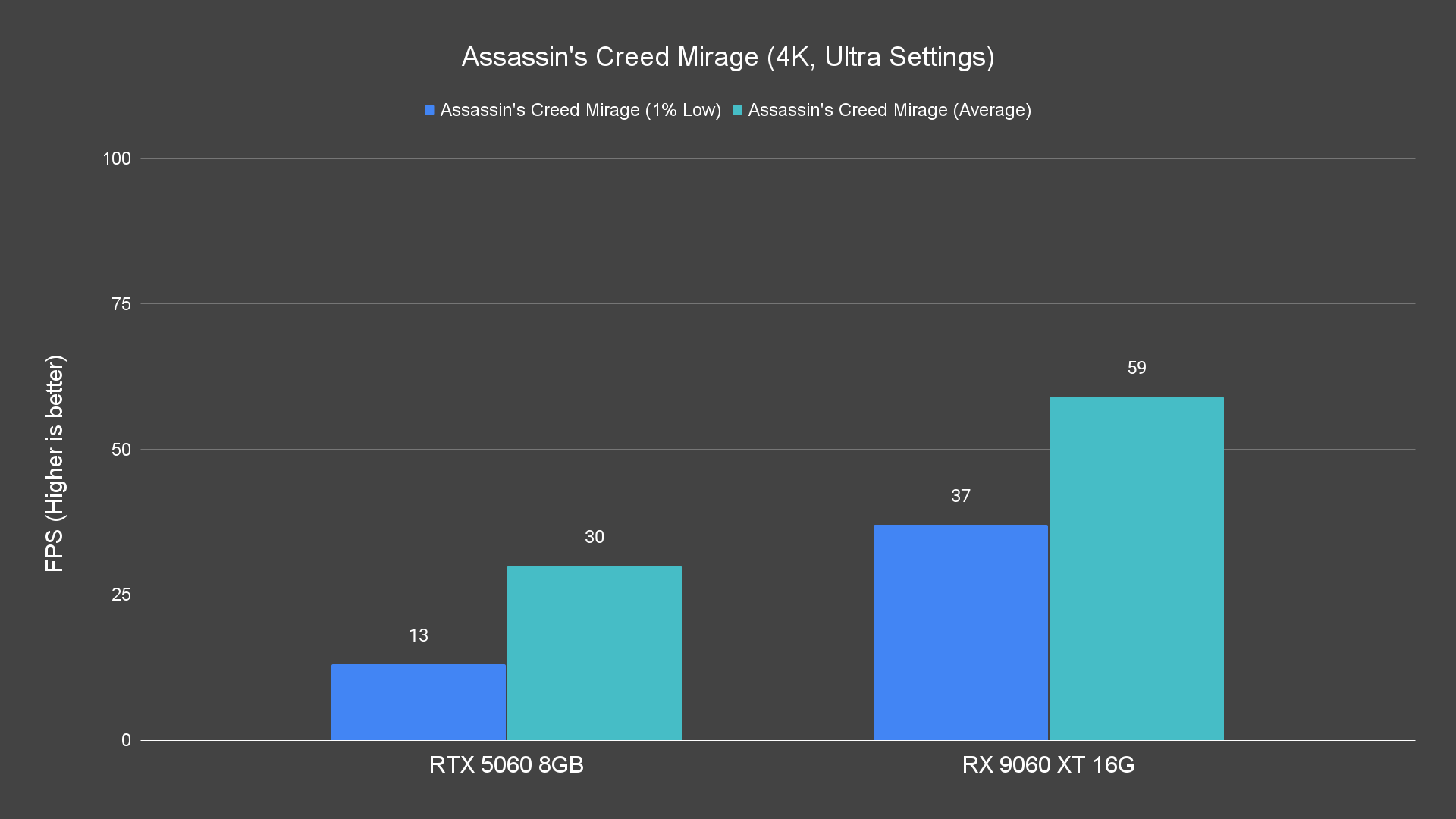
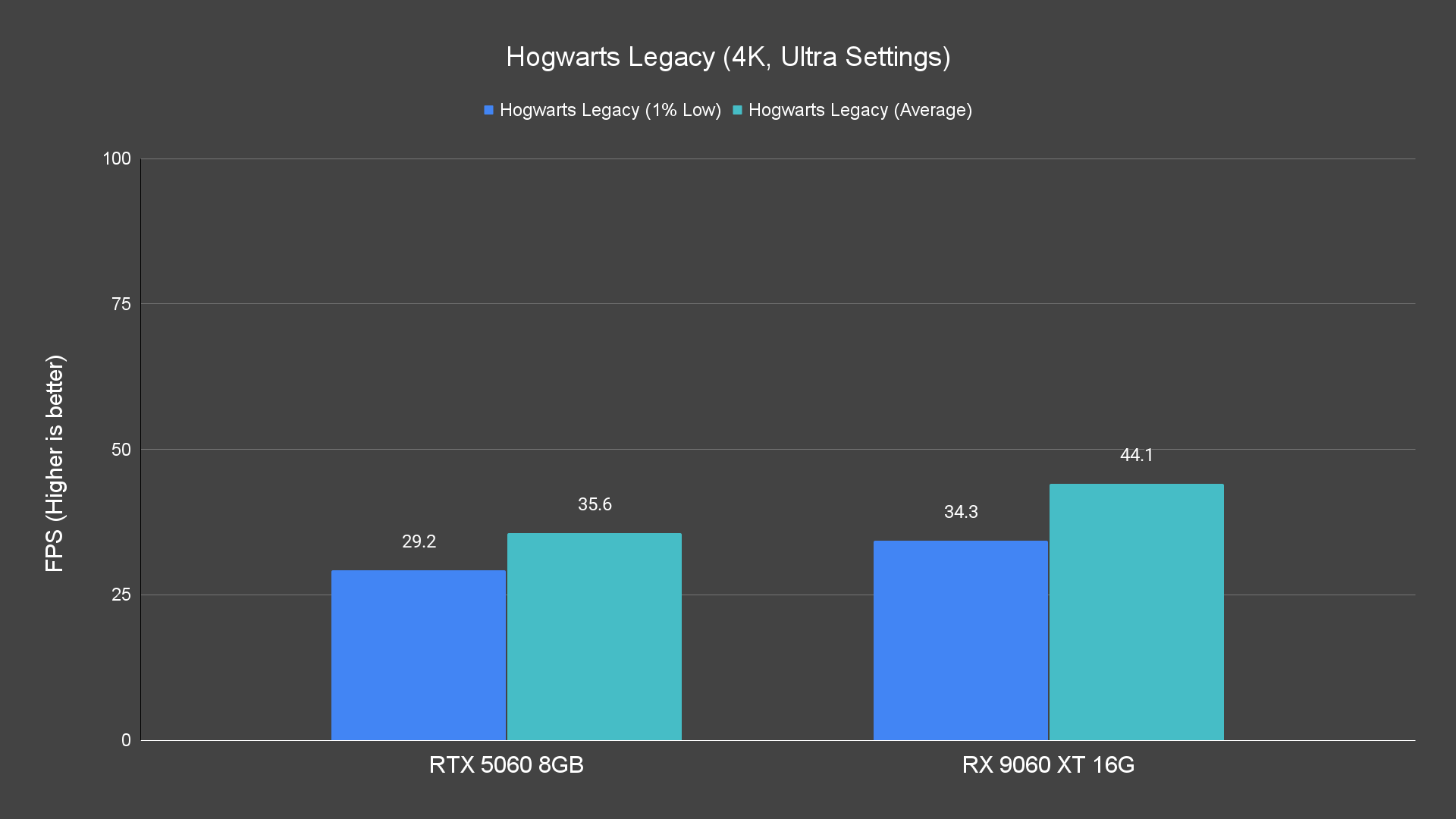
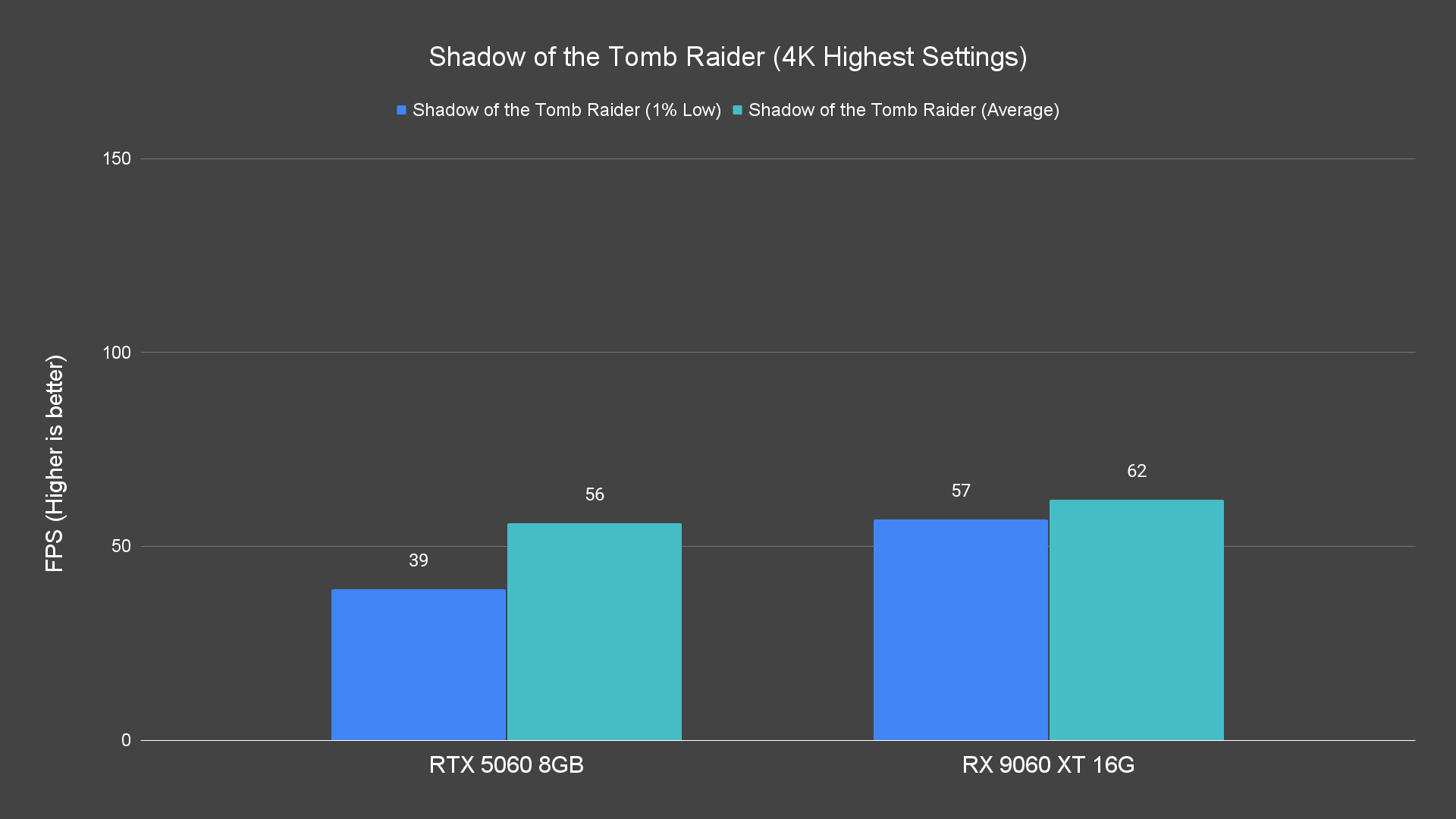
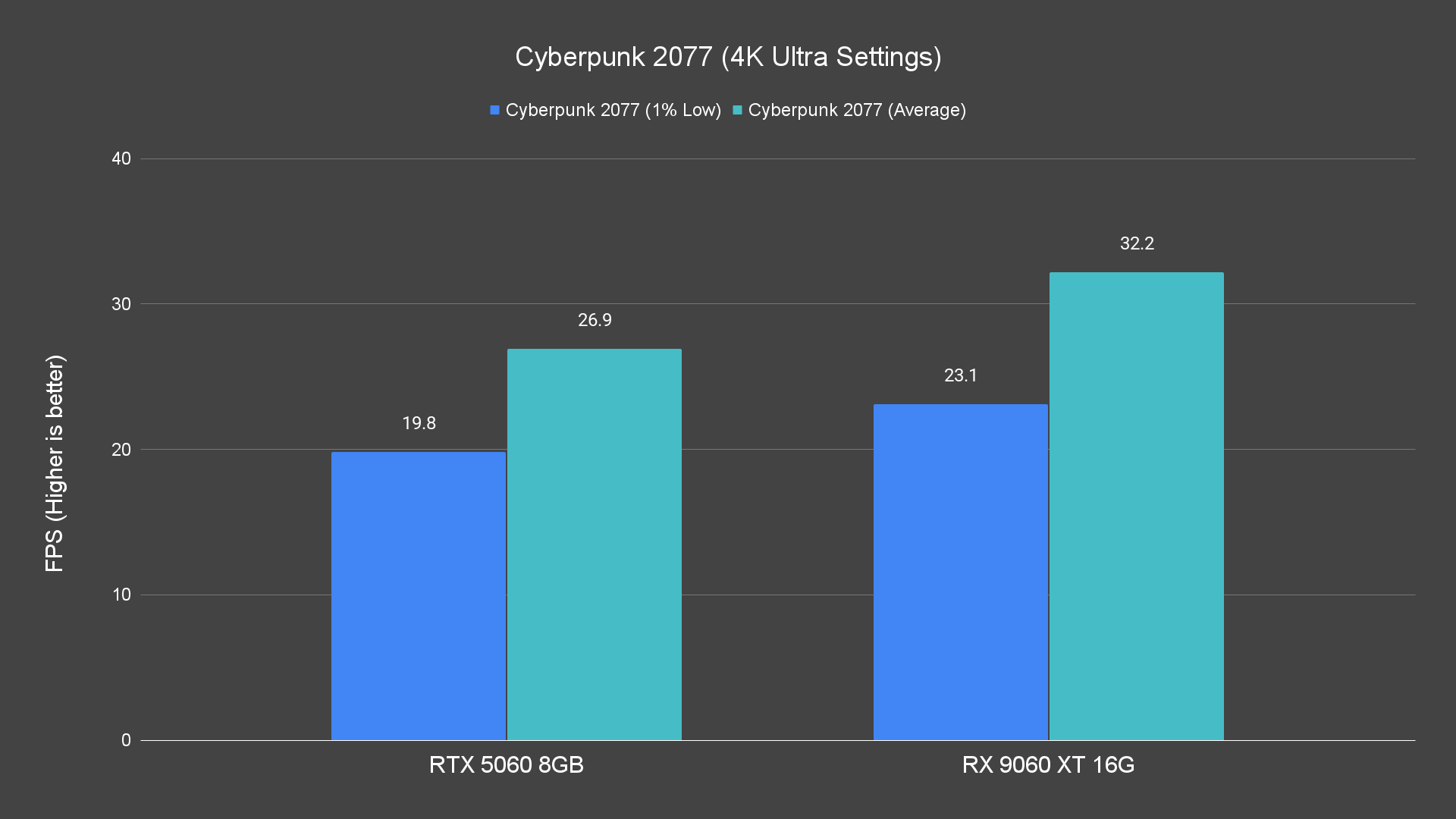
When it comes to 4K, the RX 9060 XT starts to show its limits. It can handle some lighter titles if you tweak the settings, but it’s not really a 4K card by design.
Performance in Games – Ray Tracing
Now let’s talk ray tracing. For this round of testing, we skipped frame generation to see how well the RX 9060 XT can actually handle RT on its own.
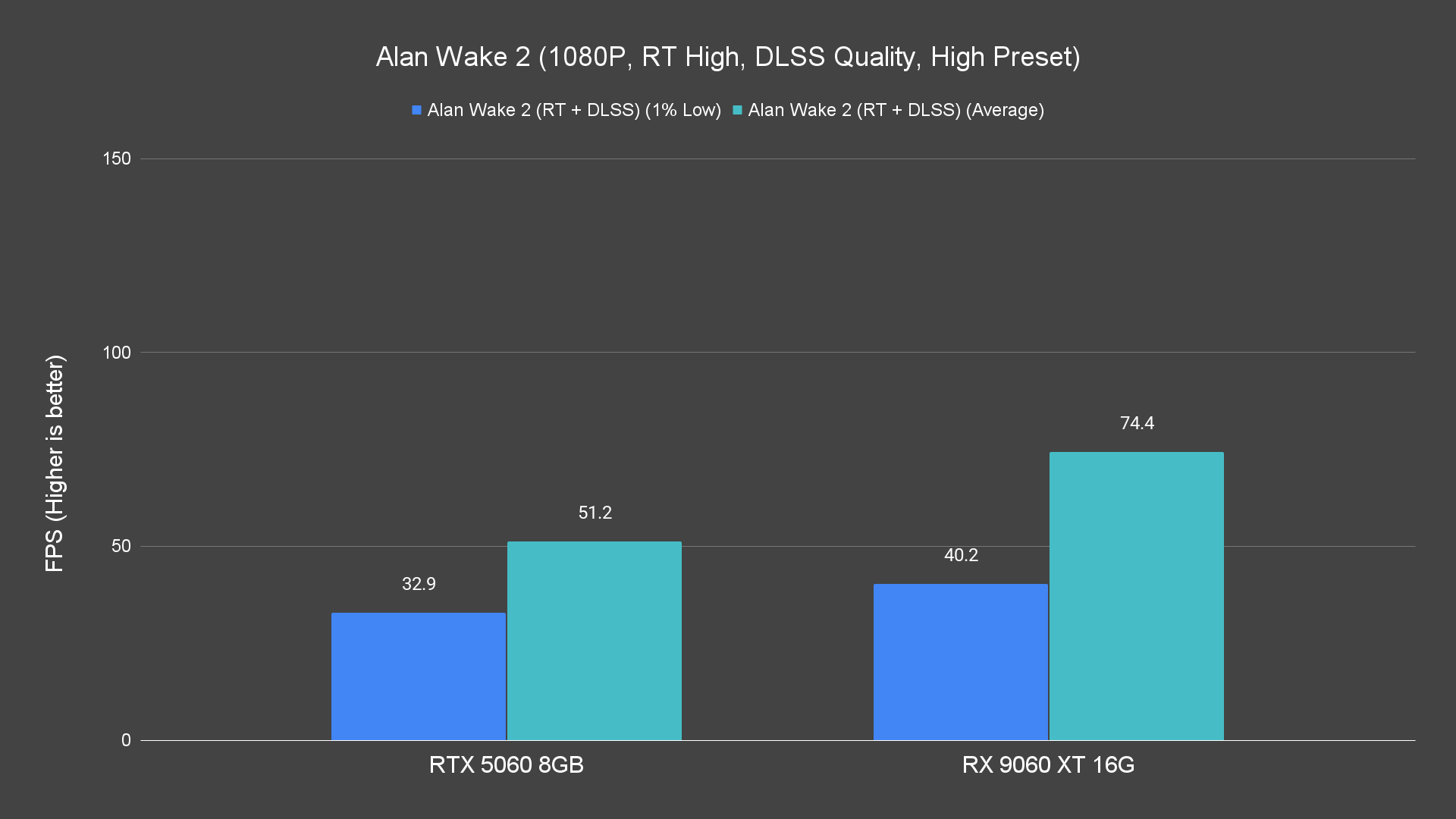
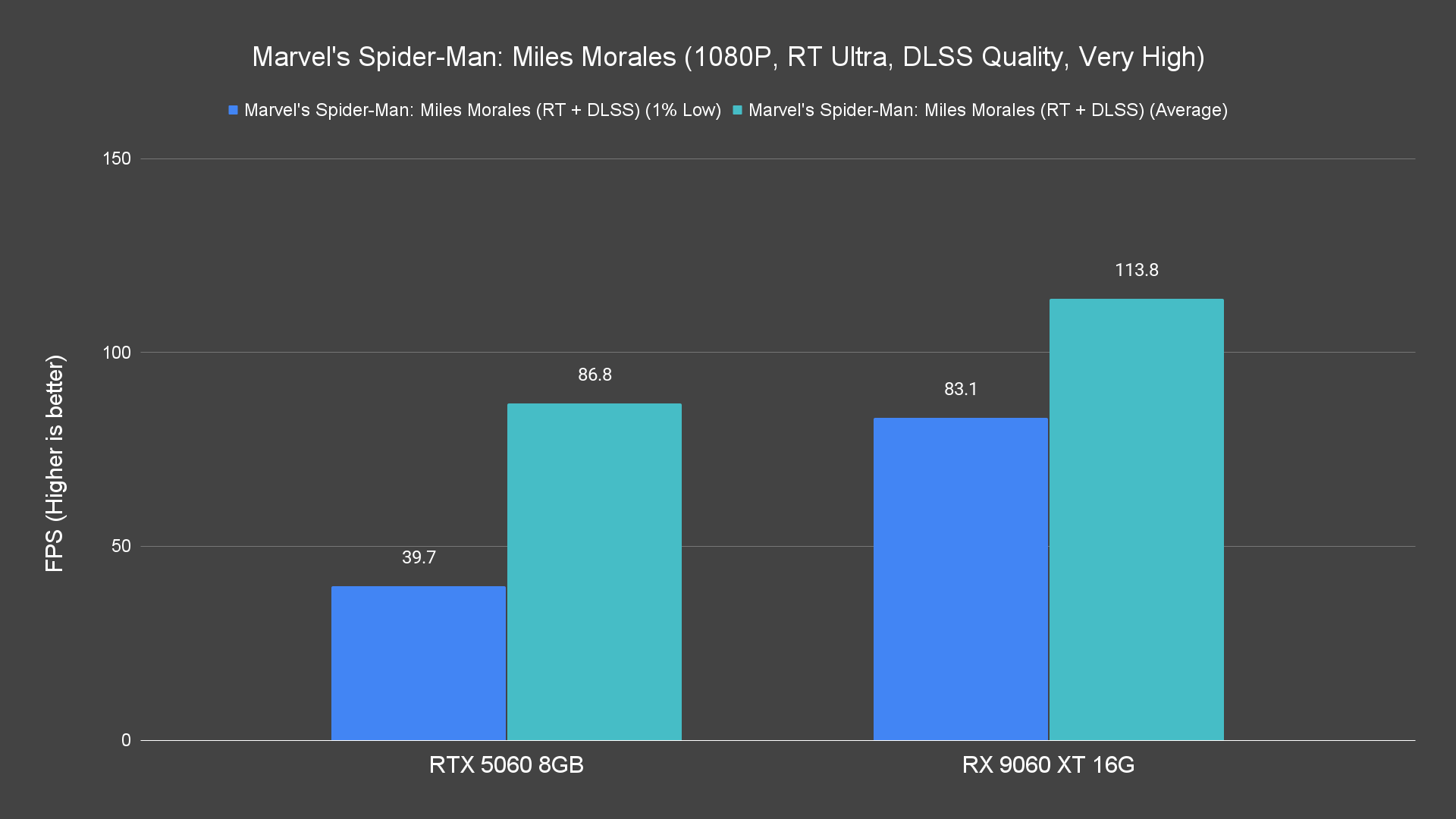
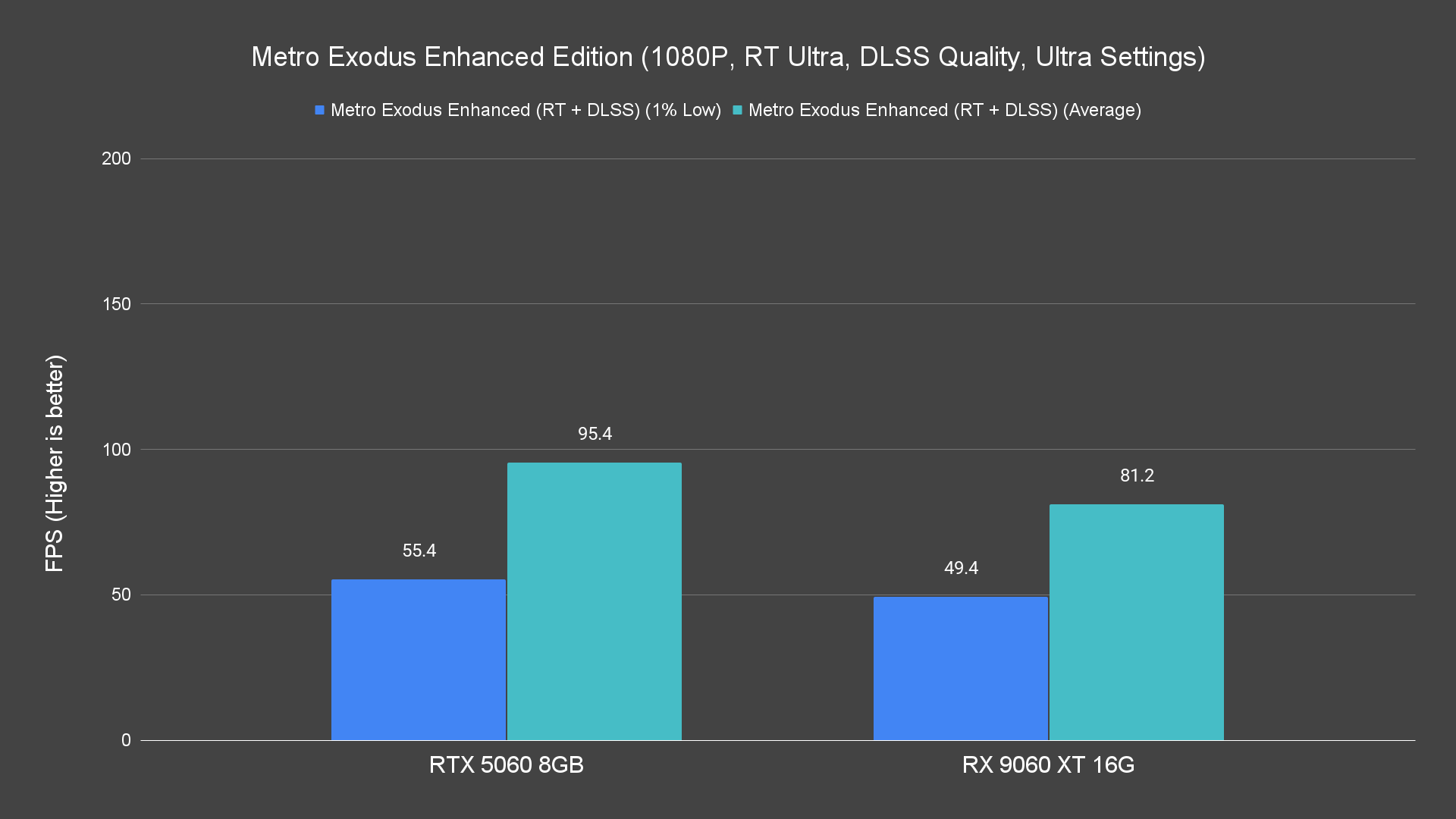
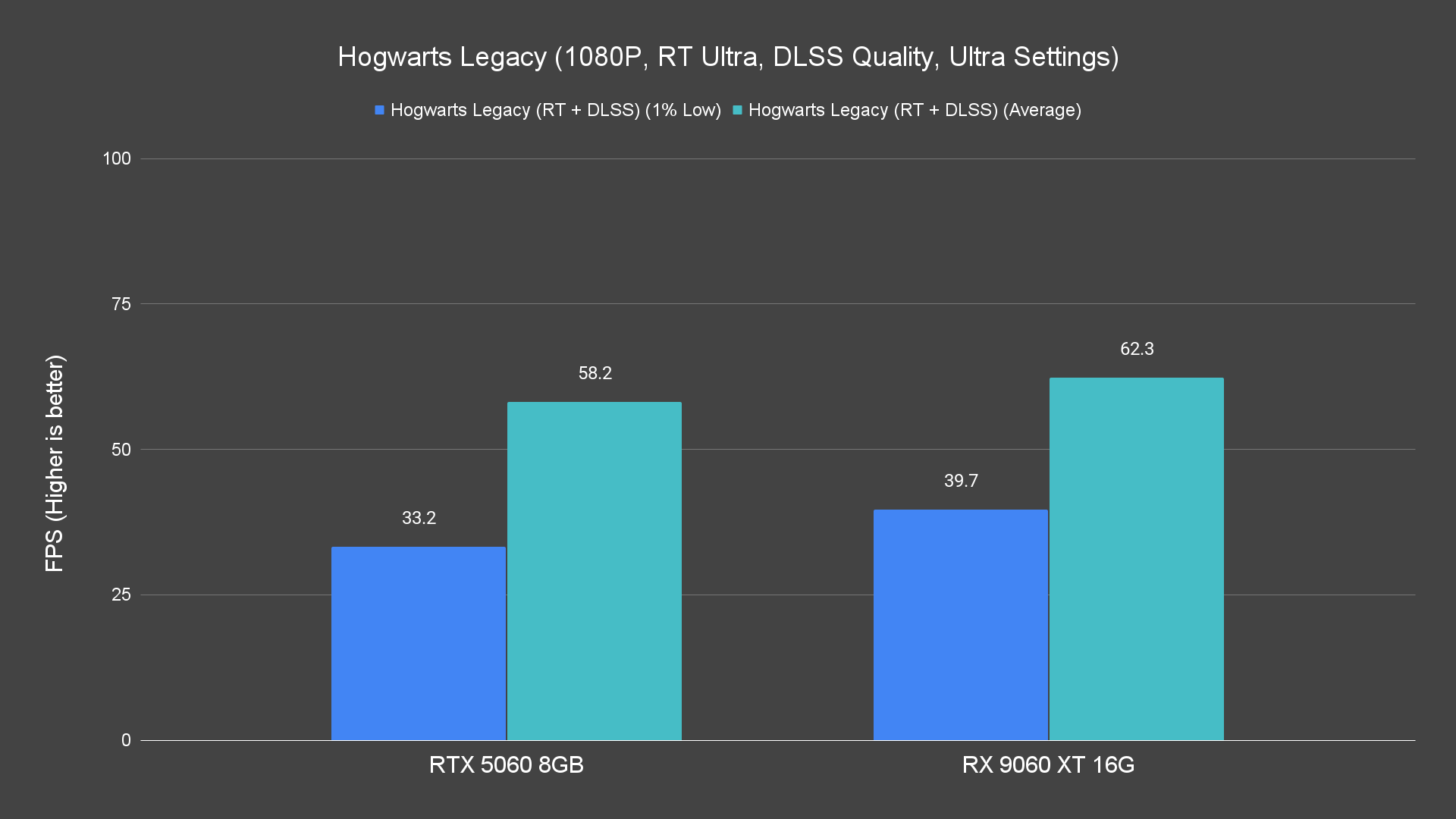
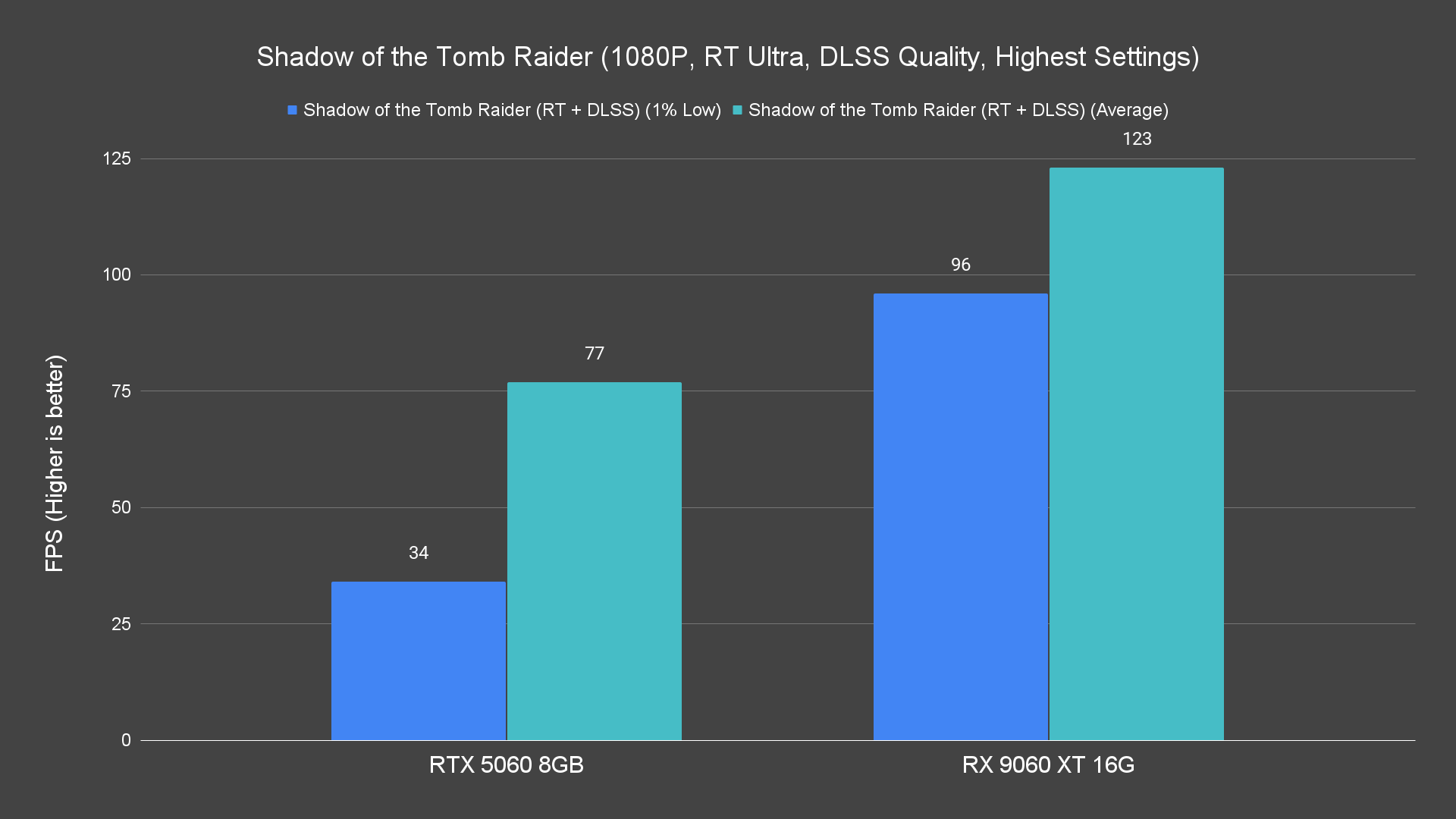
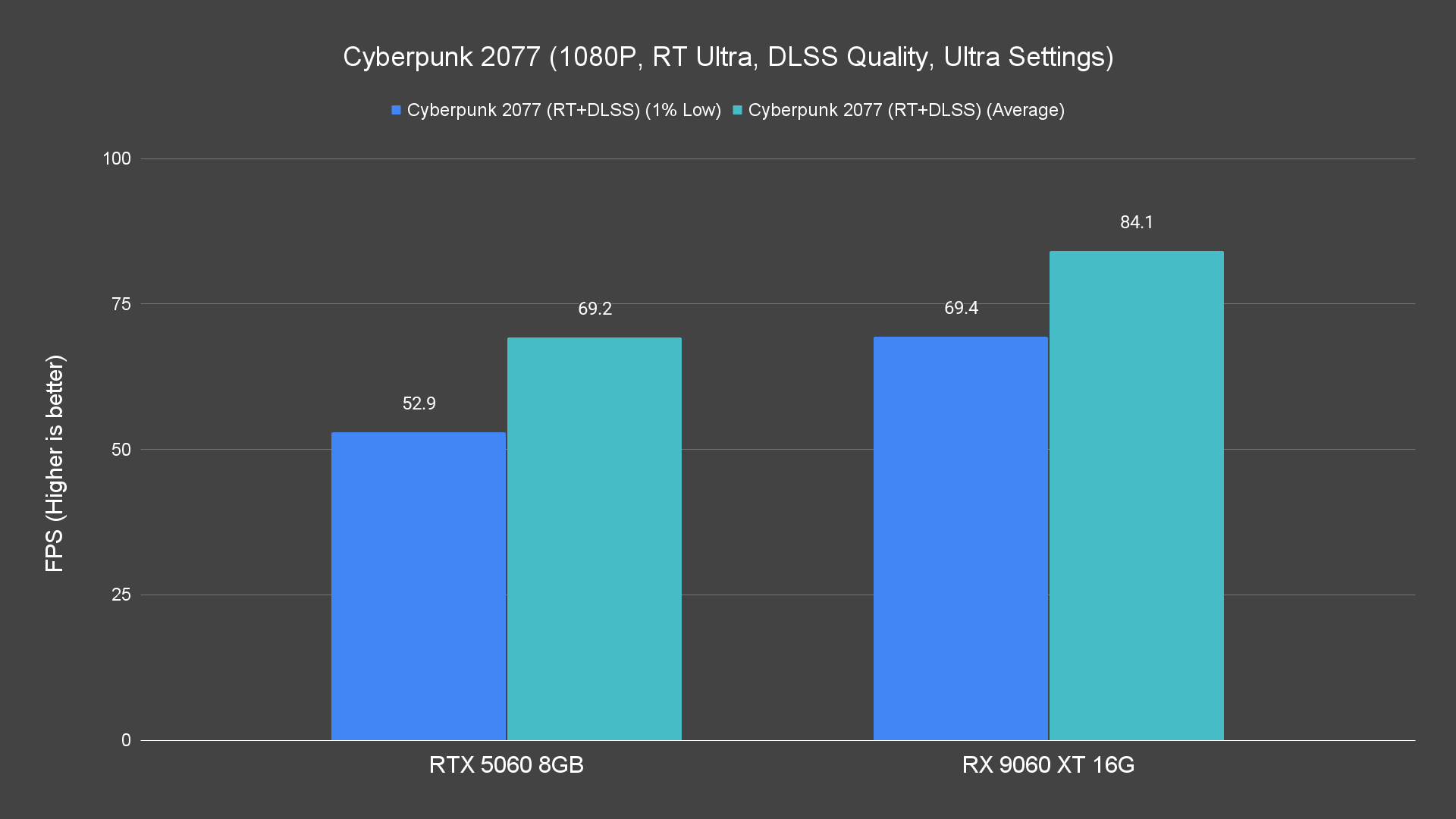
At 1080p, the card holds its ground well. All of the titles we tested ran smoothly without major hiccups, making ray tracing a feature you can comfortably enjoy at this resolution.
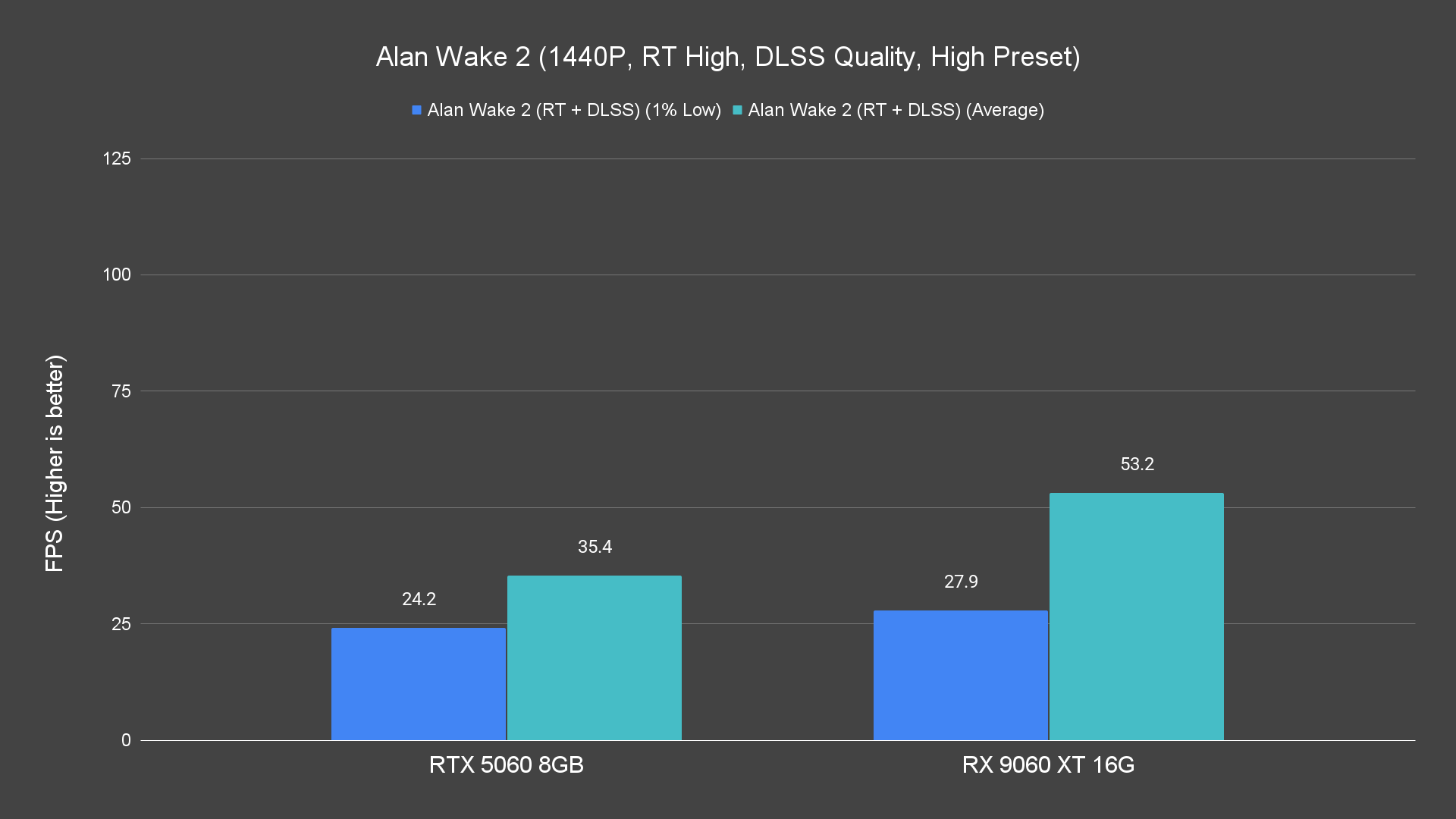
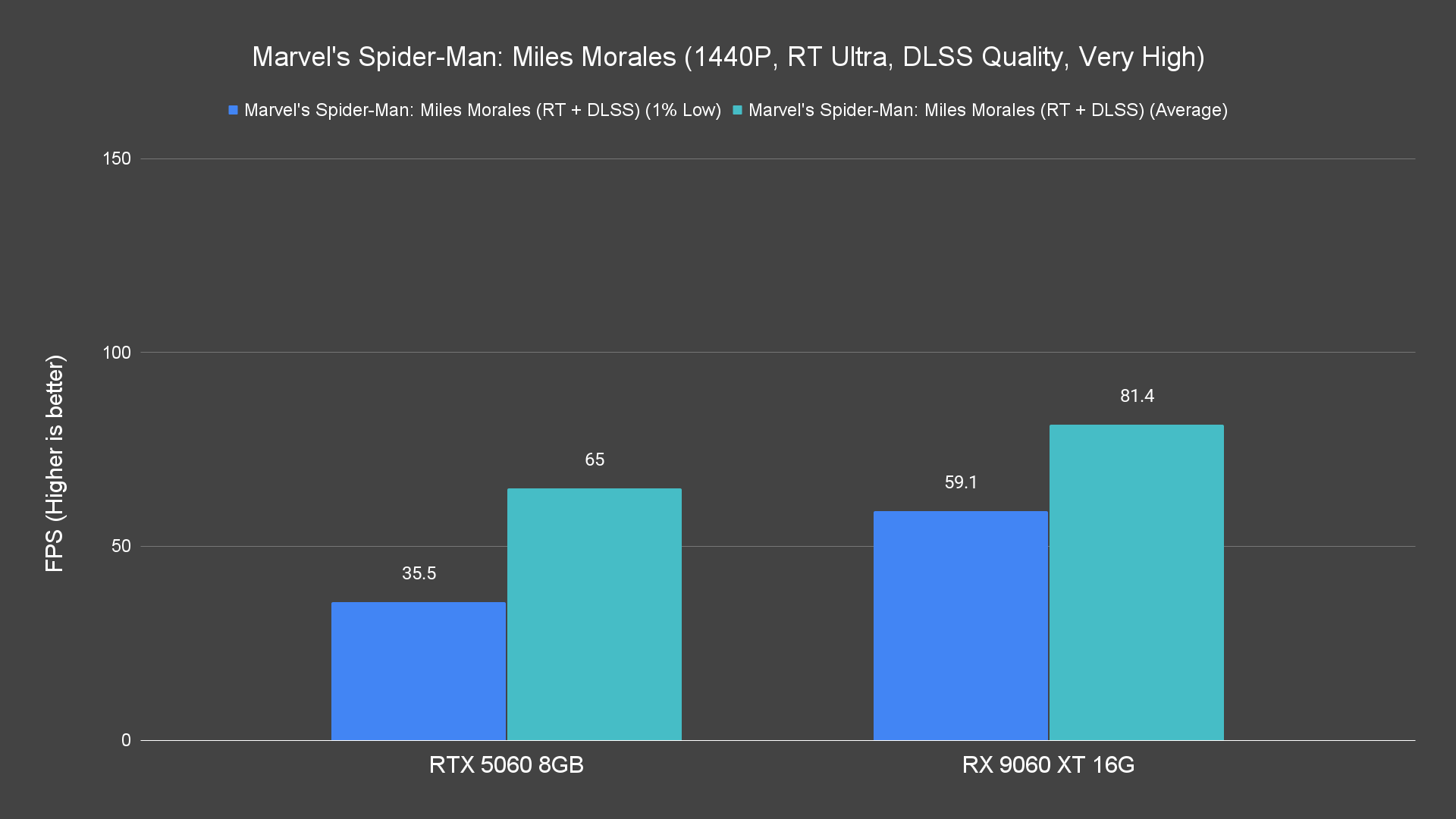
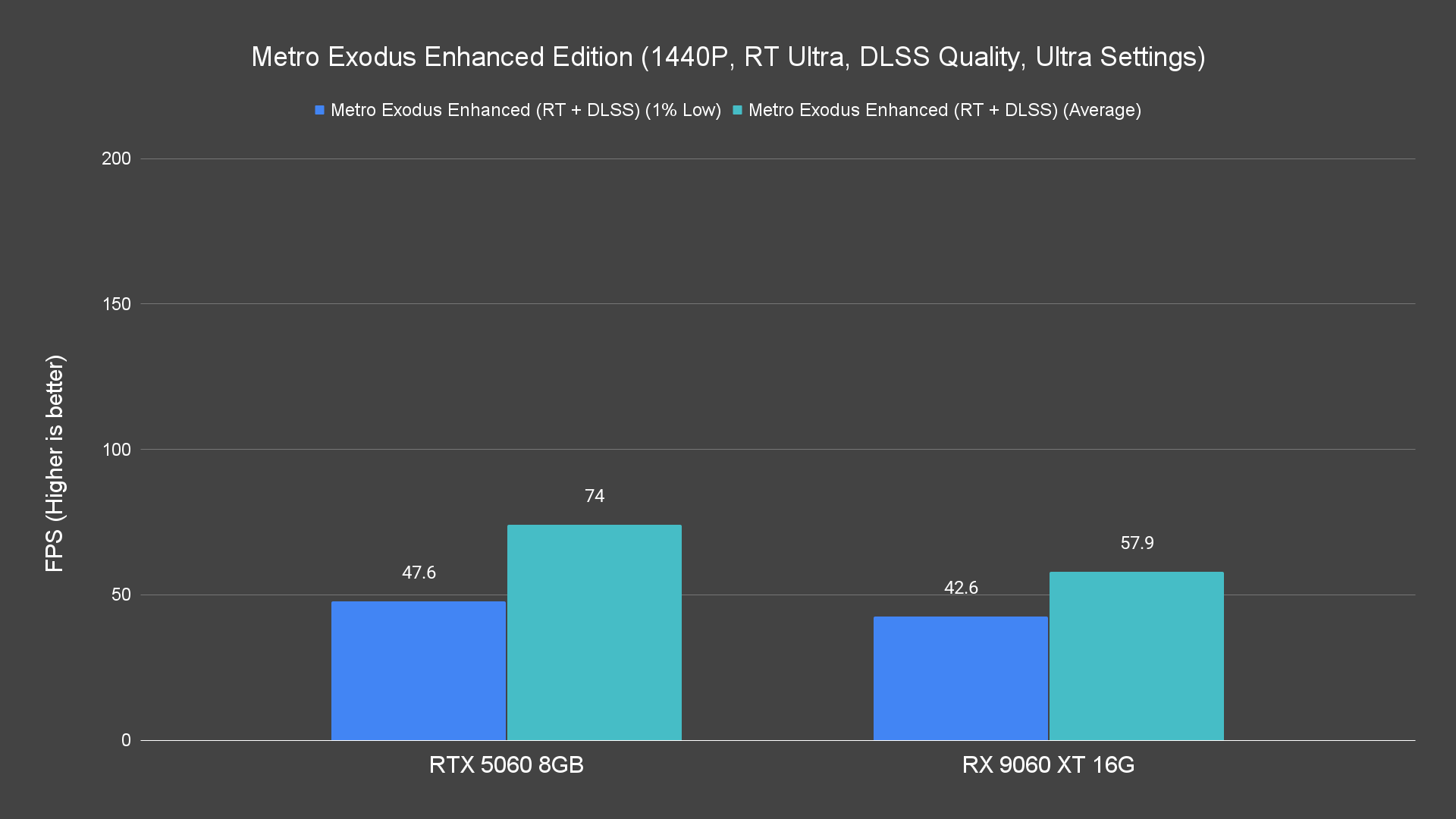
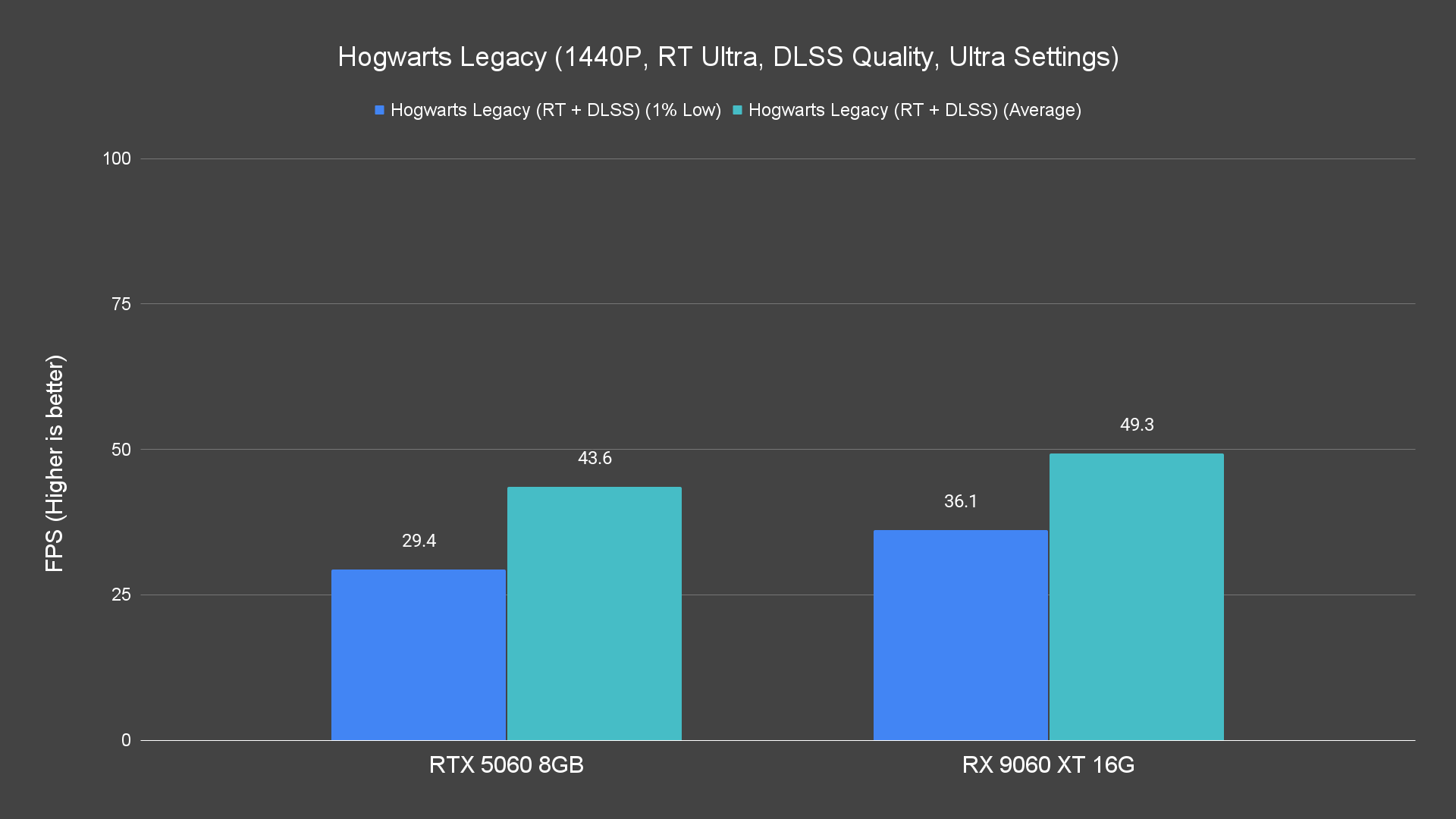
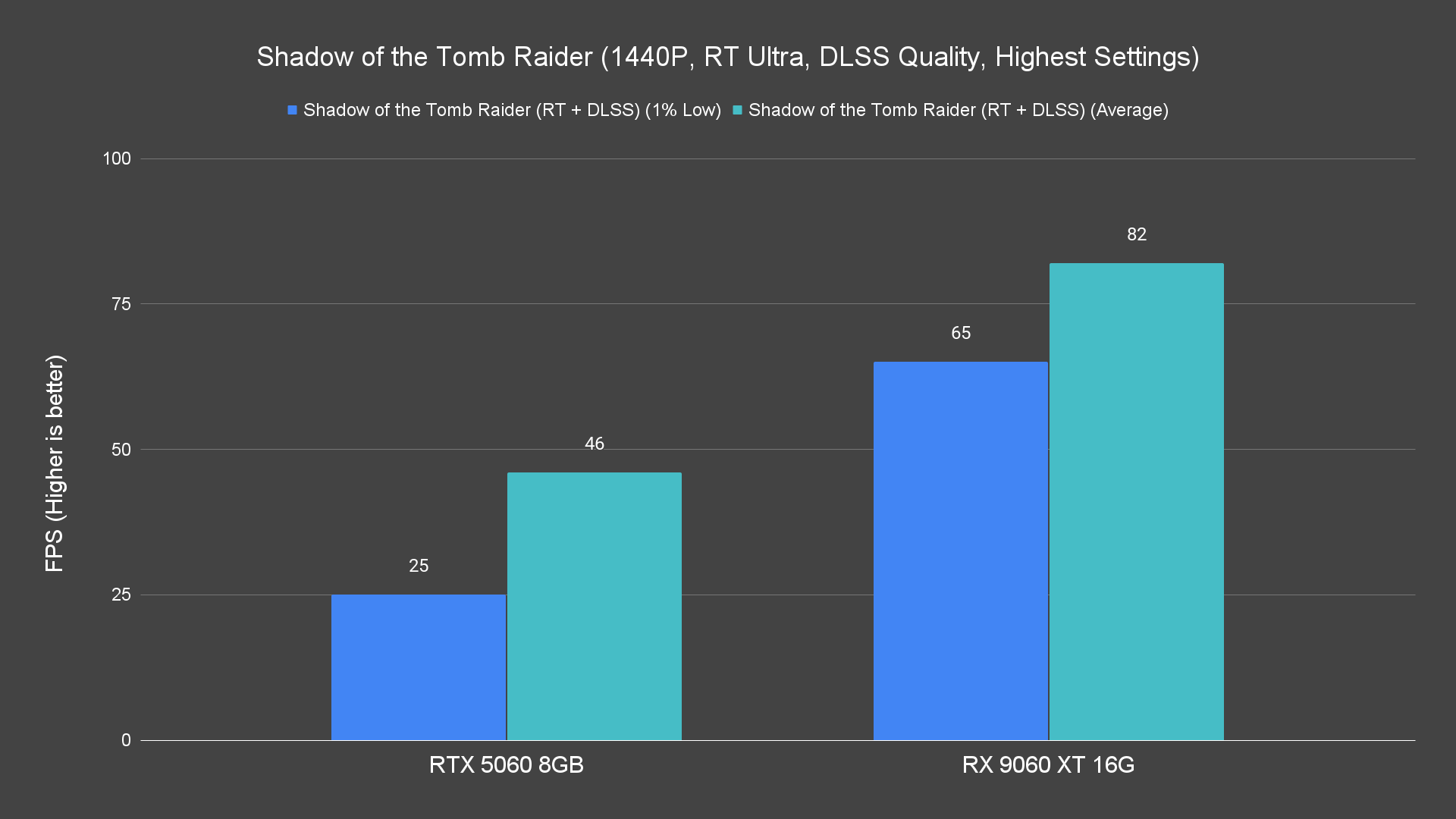
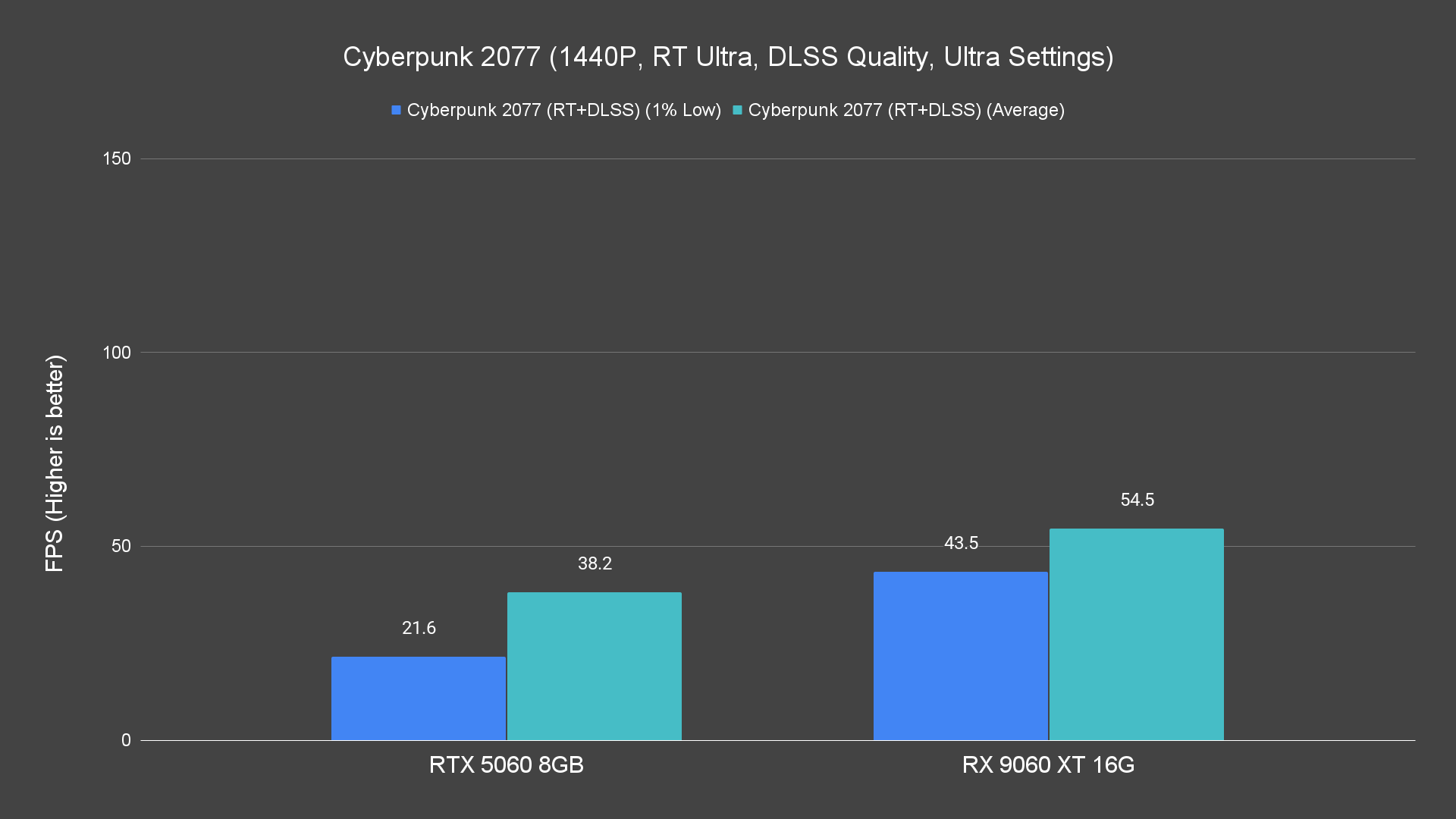
At 1440p, things start to get a little more challenging. Some games are still very playable with decent framerates, but this is about as far as the RX 9060 XT can stretch before showing its limits. You may need to tone down settings a little if you want consistent smoothness in heavier titles.
At 4K, it’s clear the RX 9060 XT isn’t built for this level of workload. Performance drops significantly, and even with ray tracing settings dialed down, it just doesn’t feel smooth enough. To be fair, this isn’t unique to AMD here, as NVIDIA’s RTX 5060 also struggles badly at 4K ray tracing.
While AMD has improved generation after generation, the RX 9060 XT still lags behind what NVIDIA offers in this department. Games with heavy ray tracing effects will see performance dips, and if ray tracing is something you really care about, this might not be the card for you.
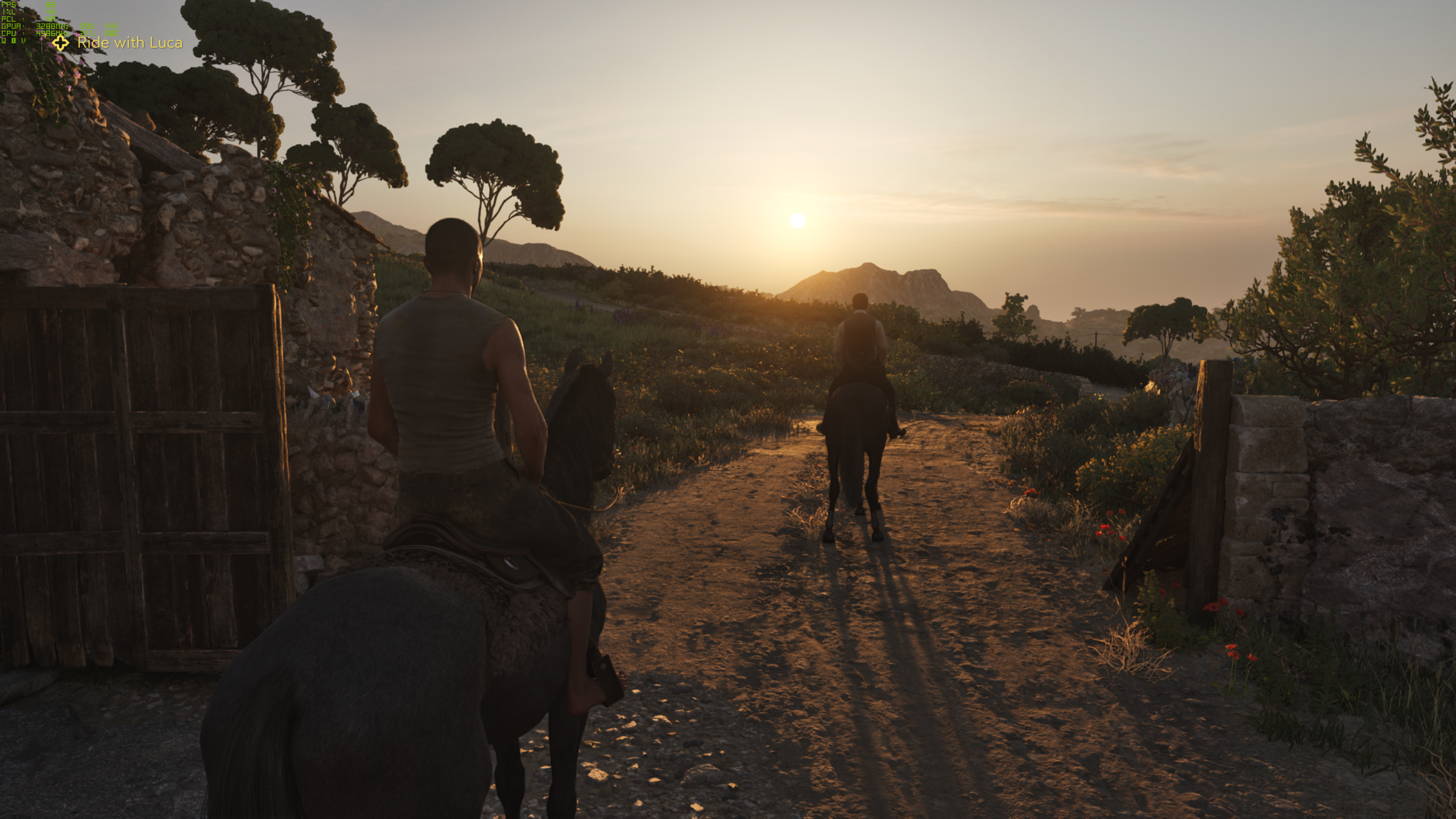
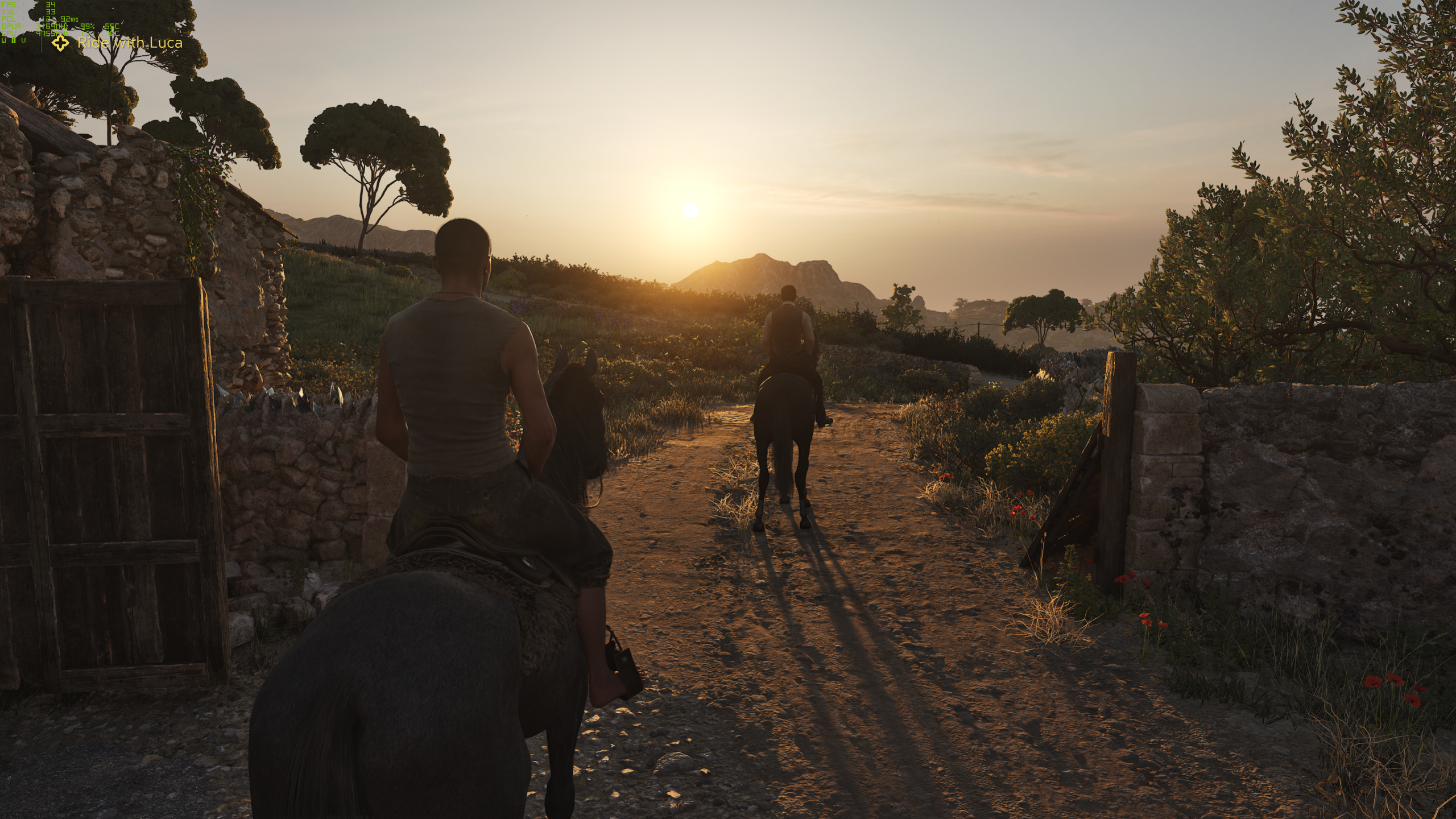
That being said, AMD’s FSR is there to help. It doesn’t always look as clean as DLSS, but it still provides a noticeable boost in frame rates, especially at 1440p. For gamers who aren’t too fussed about ray tracing but just want smoother performance, FSR is more than good enough.
Thermals and Power
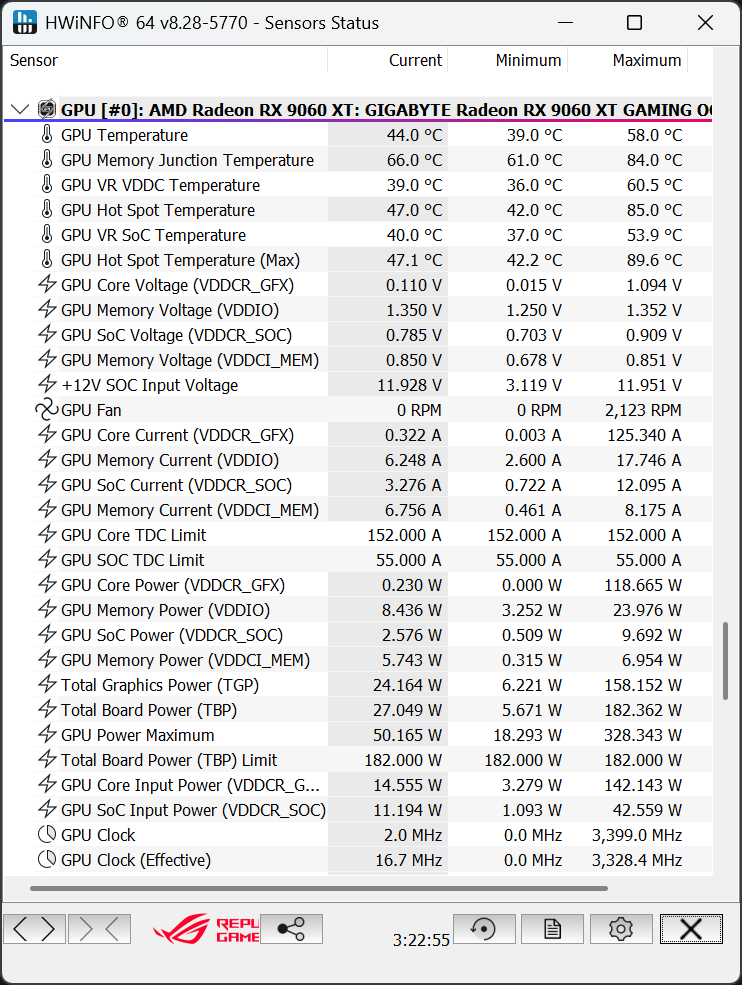
During gaming, the GPU temperature tops out around 58°C, and the memory junction sits at about 84°C. Even under heavier synthetic loads, the temperatures are still under control, peaking at 61.5°C for the GPU.
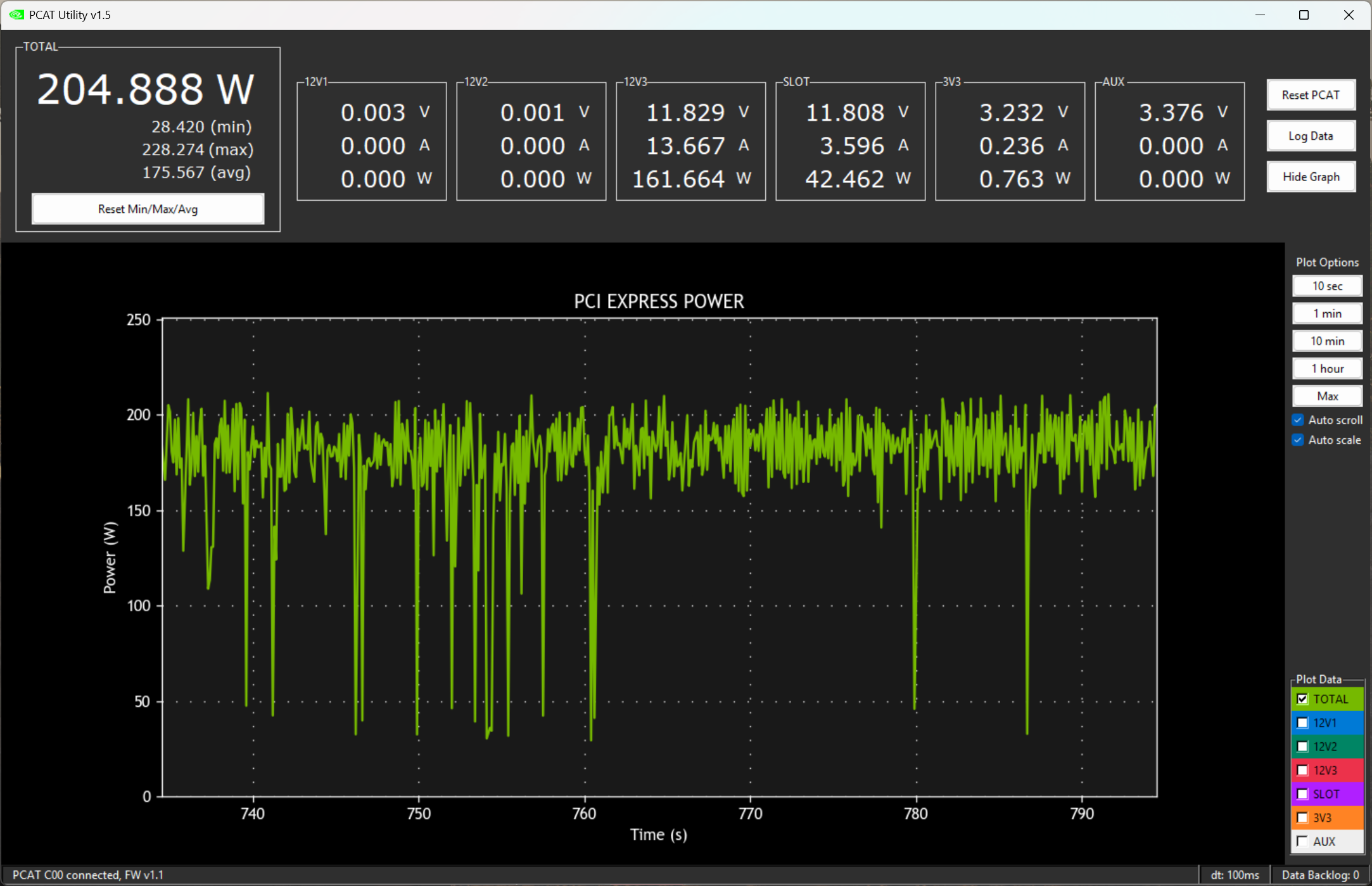
Power draw, however, does go up to around 170W during gaming and peaks at 228W during heavy load, so you’ll want to pair this with a decent 450W or higher PSU.
Final Thoughts
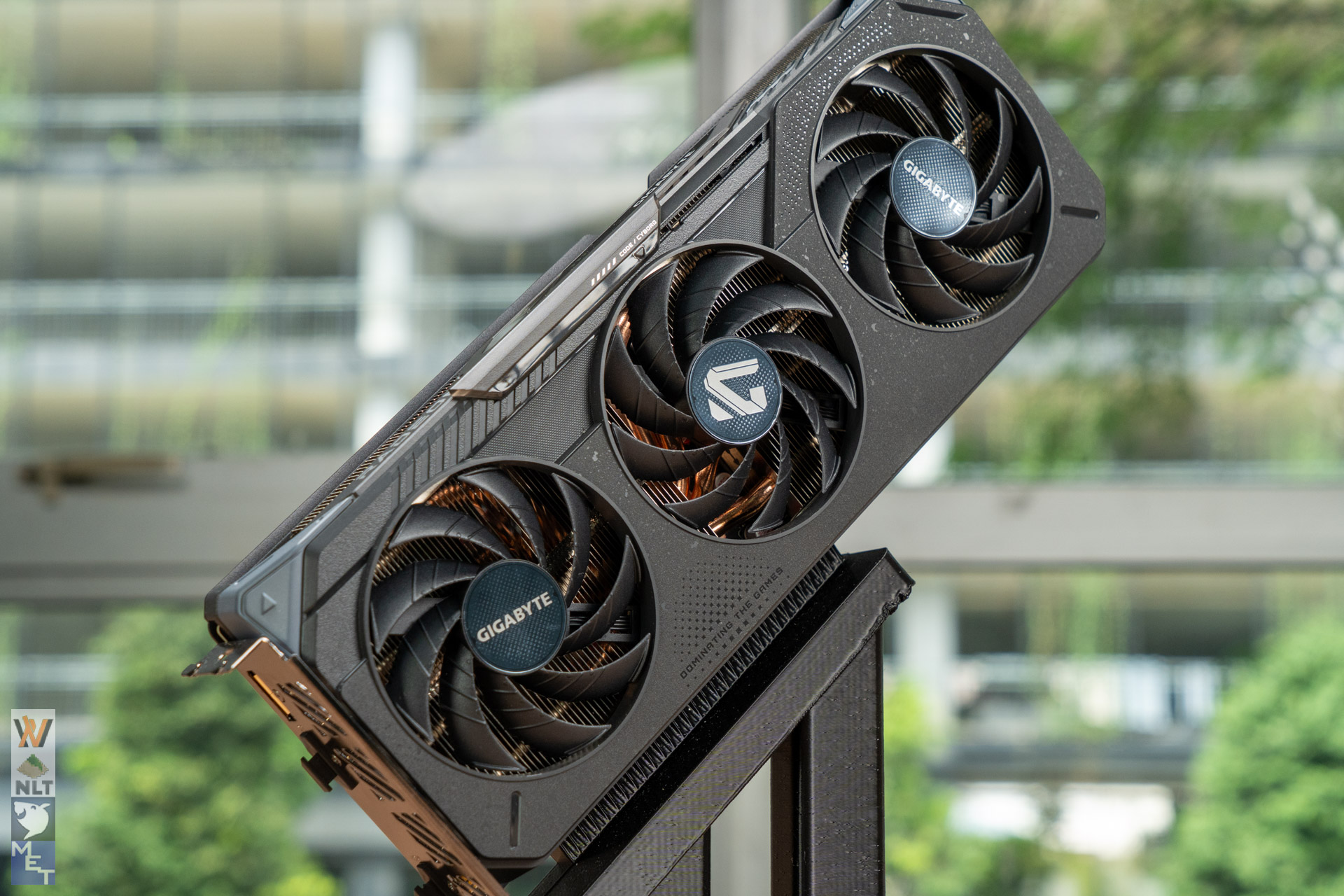
The Gigabyte RX 9060 XT Gaming OC 16G is a decent card for anyone looking at high-refresh 1080p gaming or solid 1440p performance without breaking the bank. It’s not the strongest card when it comes to ray tracing or upscaling tech compared to Nvidia’s offerings, but if you’re not too concerned about that, it delivers what most gamers actually need.
Now for the part that matters to most of us, the pricing. The Gigabyte RX 9060 XT Gaming OC 16G retails at around RM 1,879, which puts it RM 400 higher than the cheapest Gigabyte RX 9060 XT 16GB model, the Windforce, priced at RM 1,479. This is similar to what NVIDIA has to offer at this price range with its RTX 5060.
Against Nvidia’s RTX 5060, the RX 9060 XT pulls ahead in most rasterized scenarios, even in ray tracing. While the ray tracing performance does seem better at this point, we know that there are still users who don’t plan to dive into ray tracing anytime soon. If you’re not planning to rely heavily on ray tracing, the RX 9060 XT is still the better option for traditional gaming performance at both 1080p and 1440p.